


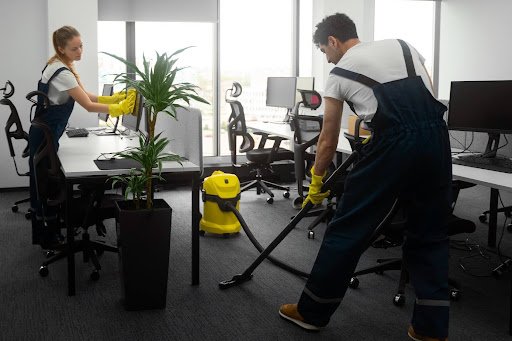
Keeping a busy office clean can be challenging, especially when employees, clients, vendors, and visitors are constantly moving through the building. Without a structured cleaning routine, dust, trash, spills, and clutter can quickly accumulate in high-traffic areas.
For businesses looking for an office cleaning service in Las Vegas, having a consistent cleaning routine can make it easier to maintain a professional and welcoming workplace. A well-planned cleaning schedule helps businesses stay organized and ensures important areas receive attention at the right frequency. In a busy environment like Las Vegas, a combination of regular cleaning, proper scheduling, and professional support can help keep an office clean throughout the workweek.
Whether you manage a small office or a large commercial facility, creating a cleaning schedule based on your workplace’s traffic, layout, and daily activities can make office maintenance more efficient.
1. Start by Assessing Your Office
Before creating a cleaning schedule, identify the areas that require regular attention. Not every part of an office needs to be cleaned at the same frequency.
Start by making a list of all major areas, including:
- Reception and entrance areas
- Individual workspaces
- Conference rooms
- Hallways
- Restrooms
- Kitchens and break rooms
- Elevators and stairways
- Storage areas
- Common spaces
- Windows and glass doors
Once these areas are identified, determine how frequently each one becomes dirty. High-traffic areas will generally require more frequent cleaning than areas that are rarely used.
2. Divide Cleaning Tasks by Frequency
A useful cleaning schedule can be divided into daily, weekly, and monthly tasks. This makes it easier to ensure routine cleaning is completed while also keeping track of deeper cleaning responsibilities.
Daily Cleaning Tasks
Daily cleaning should focus on areas that employees and visitors use frequently.
Typical daily tasks may include:
- Emptying trash bins
- Vacuuming or sweeping floors
- Cleaning and disinfecting restrooms
- Wiping high-touch surfaces
- Cleaning kitchen and break-room surfaces
- Cleaning spills
- Tidying common areas
- Cleaning reception areas
These tasks help maintain a basic level of cleanliness throughout the workday.
Weekly Cleaning Tasks
Weekly cleaning can focus on areas that do not necessarily require attention every day.
These tasks may include:
- Deeper floor cleaning
- Dusting furniture and fixtures
- Cleaning interior glass
- Cleaning conference-room equipment and surfaces
- Wiping doors and frames
- Cleaning less frequently used areas
- Checking corners and difficult-to-reach spaces
Weekly cleaning can help prevent dirt and dust from building up over time.
Monthly Cleaning Tasks
Some areas require periodic deep cleaning rather than daily attention.
Monthly or scheduled deep-cleaning tasks may include:
- Carpet cleaning
- Upholstery cleaning
- Detailed floor care
- Deep cleaning of kitchens
- Cleaning vents and hard-to-reach areas
- Detailed window cleaning
- Cleaning baseboards
- Deep cleaning storage areas
The exact frequency should depend on the size and usage of the office.
3. Prioritize High-Traffic Areas
One of the most important parts of a busy office cleaning schedule is identifying high-traffic areas.
Entrances, reception areas, hallways, elevators, restrooms, kitchens, and conference rooms can become dirty much faster than individual offices.
These areas may require cleaning multiple times throughout the day, depending on how much traffic they receive.
For example, a reception area that welcomes dozens of visitors every day may need more frequent attention than a private office used by one employee.
4. Consider Las Vegas’ Environment
Local environmental conditions should also be considered when creating an office cleaning routine.
Las Vegas is known for its dry climate, which can contribute to dust accumulation. Businesses may therefore need to pay particular attention to entrances, floors, windowsills, furniture, and other surfaces where dust can collect.
Using entrance mats can help reduce the amount of dirt and dust brought into the building. Regular vacuuming and dusting can also help maintain cleaner indoor spaces.
The appropriate cleaning frequency will vary depending on the building, location, foot traffic, and surrounding environment.
5. Schedule Cleaning Around Business Hours
A cleaning schedule should minimize disruption to employees and visitors.
Many businesses prefer to schedule more extensive cleaning before employees arrive or after the workday ends. This can allow cleaning teams to work more efficiently without navigating around busy workspaces.
However, some tasks may need to be completed during business hours. Restroom checks, trash removal, spill cleanup, and high-traffic area maintenance may need attention throughout the day.
Businesses should identify which tasks can be performed outside office hours and which require daytime attention.
6. Create Separate Responsibilities for Employees and Cleaners
Employees can contribute to office cleanliness without becoming responsible for the entire cleaning operation.
Simple employee responsibilities might include:
- Keeping desks organized
- Throwing away trash
- Cleaning up food after using shared spaces
- Reporting spills
- Leaving conference rooms organized
- Removing expired food from shared refrigerators
Professional or janitorial cleaning teams can then focus on larger cleaning tasks such as floors, restrooms, dusting, sanitation, and common-area maintenance.
Clearly separating responsibilities can make the overall cleaning system easier to manage.
7. Pay Special Attention to Restrooms and Break Rooms
Restrooms and break rooms should be among the highest priorities in a commercial office.
Restrooms should be checked regularly throughout the day, particularly in offices with a large number of employees or visitors. Cleaning should include toilets, sinks, faucets, mirrors, floors, and frequently touched surfaces. Essential supplies should also be replenished as needed.
Break rooms require regular cleaning because food, drinks, and waste can quickly create messes and unpleasant odors.
Countertops, tables, sinks, appliance handles, and other shared surfaces should be cleaned regularly.
8. Include High-Touch Surfaces
High-touch surfaces can easily be overlooked when creating a cleaning schedule.
Door handles, light switches, elevator buttons, shared equipment, cabinet handles, conference-room tables, and other commonly touched surfaces should be included in the cleaning routine.
The frequency of cleaning should depend on how heavily each area is used.
Including these surfaces in a written checklist can help prevent them from being forgotten.
9. Use a Cleaning Checklist
A written checklist can make a cleaning schedule much easier to follow.
The checklist can identify:
- Cleaning task
- Location
- Required frequency
- Person or team responsible
- Completion time
- Inspection status
For larger offices, digital checklists can also be used to track completed tasks and identify recurring issues.
A checklist creates accountability and helps managers quickly determine whether important cleaning responsibilities have been completed.
10. Review and Adjust the Schedule
A cleaning schedule should not remain unchanged forever. Office needs can change as employee numbers, operating hours, visitors, and business activities change.
Managers should periodically review the schedule and identify areas that consistently become dirty or require additional attention.
For example, if a conference room is being used for frequent client meetings, it may need more frequent cleaning. Similarly, if employee numbers increase, restrooms and break rooms may require additional attention.
Regular reviews help ensure the cleaning schedule remains practical and effective.
11. Consider Professional Cleaning Support
Managing a busy office cleaning schedule internally can become difficult, particularly for larger workplaces.
Businesses may consider working with a professional commercial cleaning service in Las Vegas to handle routine cleaning and specialized tasks. A professional provider can develop a cleaning plan around the business’s operating hours and specific facility requirements.
When evaluating a cleaning company, businesses should consider its experience, service options, scheduling flexibility, communication practices, insurance, and ability to accommodate changing cleaning requirements.
Professional support can allow employees and managers to focus on their primary responsibilities while cleaning professionals handle routine maintenance.
Final Thoughts
A busy office requires more than occasional cleaning. It needs a structured schedule that considers traffic levels, office layout, operating hours, local environmental conditions, and the specific needs of employees and visitors.
Start by identifying all areas of the workplace, divide tasks into daily, weekly, and monthly categories, and prioritize high-traffic spaces such as entrances, restrooms, kitchens, and common areas.
Businesses should also encourage employees to maintain their individual workspaces while assigning larger cleaning responsibilities to an internal team or professional cleaning provider.
By regularly reviewing and adjusting the schedule, businesses can maintain a cleaner, more organized, and professional workplace throughout the year.
See more amazing information. Visit: Freely Magazine
