


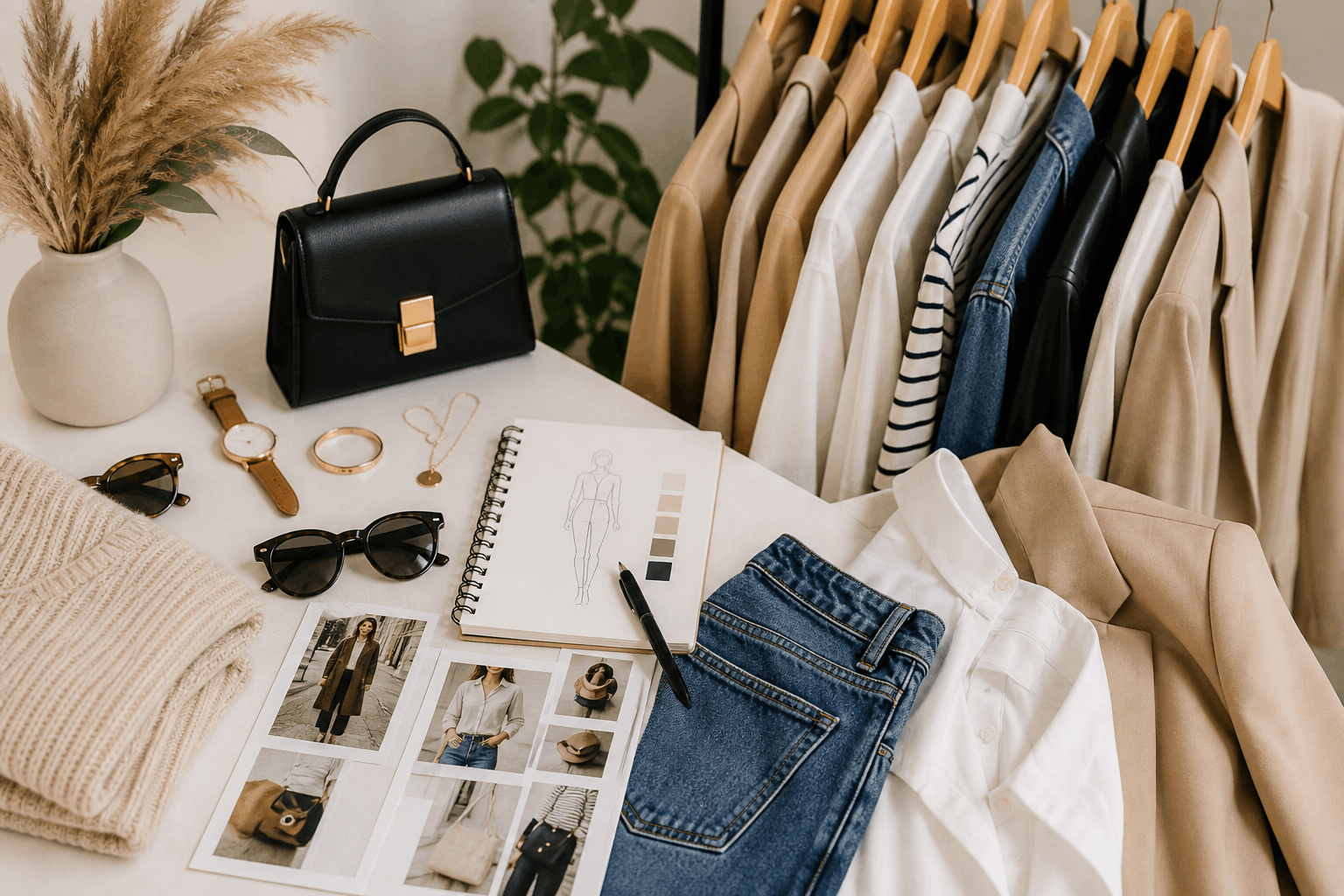
Personal style is not simply about following fashion trends or buying expensive clothes. It is about understanding what makes you feel comfortable, confident, and like yourself. While trends can provide inspiration, the best wardrobe is one that works with your lifestyle, preferences, and natural features.
If you often find yourself standing in front of your closet wondering what to wear, developing a more intentional personal style can make everyday dressing much easier. Here are some practical ways to build a wardrobe that feels natural and works for your daily life.
Start by Understanding Your Shape
One of the easiest ways to improve your style is to understand how different clothing shapes work with your natural proportions. This does not mean following strict fashion rules. Instead, it gives you a starting point when choosing silhouettes, cuts, and outfits.
A body shape calculator can be a useful starting point for learning more about your general body proportions. Once you have an idea of your shape, you can experiment with different clothing styles and see which ones you personally enjoy.
Remember that body shape is only one part of personal style. Two people with similar proportions can have completely different fashion preferences, and both can look equally confident.
Focus on Clothes That Fit Well
Fit often matters more than the brand or price of an item. Even a simple outfit can look polished when the clothing fits properly.
Pay attention to areas such as shoulder seams, sleeve length, trouser length, and the way a shirt or jacket sits around your body. Clothes that are too tight can feel uncomfortable, while oversized pieces can sometimes hide the shape you want to emphasize.
If possible, try different sizes and cuts rather than automatically choosing the same size in every brand. Clothing measurements can vary considerably between manufacturers.
Build Around Your Lifestyle
Your wardrobe should match the way you actually live.
Someone who works in an office may need smart shirts, trousers, jackets, and versatile shoes. Someone who works from home may prioritize comfortable clothing. A person who regularly attends social events may want more statement pieces.
Before buying something new, ask yourself a simple question: Will I actually wear this?
If an item only works for one specific occasion, it may not provide as much value as a versatile piece that can be styled in several ways.
Learn Which Colors You Enjoy Wearing
Color can completely change the appearance of an outfit. You do not need to follow complicated color rules to create a good wardrobe.
Start by identifying the colors you naturally reach for. Neutral shades such as black, white, navy, beige, gray, and brown can provide a flexible foundation. From there, you can add colors that reflect your personality.
You can also experiment with different combinations. A neutral outfit with one brighter accessory can create a simple but interesting look without requiring a large wardrobe.
Use Accessories Strategically
Accessories are an easy way to change the appearance of an outfit without buying an entirely new wardrobe.
A watch, belt, handbag, scarf, sunglasses, necklace, or pair of earrings can add personality to a simple outfit. The key is balance. You do not necessarily need several accessories at the same time.
For everyday outfits, one or two carefully selected accessories can often be enough to make the overall look feel more intentional.
Experiment With Different Styles
Finding your personal style takes experimentation. You may not know whether you prefer minimalist, casual, classic, sporty, streetwear, or another aesthetic until you try different looks.
Create a small collection of outfit ideas that you like. Save photographs from fashion websites, magazines, or social media and look for patterns. You might notice that you repeatedly choose certain colors, silhouettes, fabrics, or combinations.
These patterns can help you understand what your personal style actually looks like rather than simply copying individual outfits.
Understand Your Body Type Without Letting It Limit You
Learning about proportions can be useful, but it should never become a reason to avoid clothes you genuinely like. Fashion is meant to be creative, and there are no universal rules that apply perfectly to everyone.
If you want to explore the terminology around different proportions, a body type calculator can provide another starting point for understanding your general body type.
Use that information as inspiration rather than a strict set of rules. The most important question is whether you feel comfortable and confident wearing something.
Invest in Versatile Basics
A strong wardrobe does not need to contain hundreds of pieces. A smaller collection of versatile clothing can often create more outfit combinations.
Consider building your wardrobe around dependable basics such as well-fitting jeans or trousers, plain shirts, neutral tops, a versatile jacket, comfortable shoes, and a few pieces that reflect your personality.
Once the basics are covered, you can gradually add trend-based items without rebuilding your entire wardrobe every season.
Pay Attention to Grooming and Presentation
Personal style goes beyond clothing. Hair, skincare, grooming, footwear, and even the condition of your clothes can influence your overall appearance.
Simple habits such as keeping clothes clean and wrinkle-free, maintaining shoes, and choosing a hairstyle that suits your preferences can make a noticeable difference.
You do not need an expensive grooming routine. Consistency is often more important than the number of products you use.
Confidence Matters More Than Trends
Fashion trends change constantly. What is popular today may be replaced by something completely different next season.
Instead of trying to follow every trend, choose elements that genuinely fit your personality and lifestyle. A trendy outfit that makes you uncomfortable will probably not become a favorite.
Personal style develops when you understand what works for you and then make it your own.
Final Thoughts
Developing personal style is a gradual process rather than something you need to figure out overnight. Start by understanding your proportions, identify the colors and clothing you enjoy, focus on good fit, and build a wardrobe around your real lifestyle.
Most importantly, treat fashion as a way to express yourself rather than a list of rules you have to follow. Experiment with different looks, keep the pieces that make you feel good, and allow your style to evolve naturally over time.
