


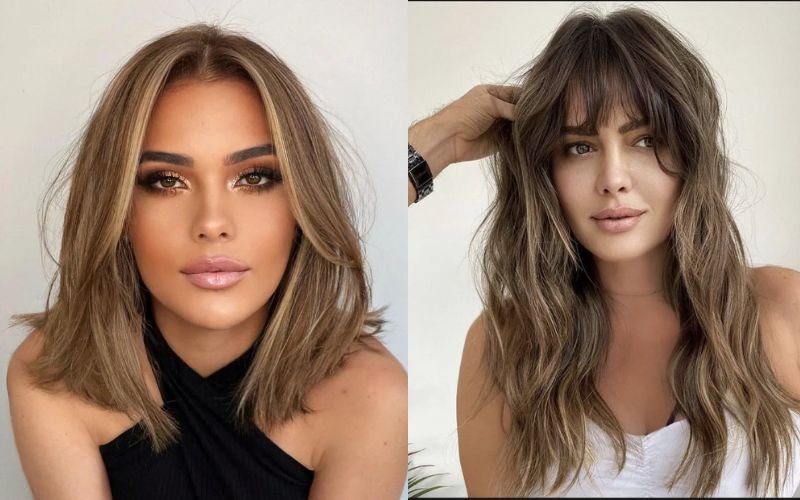
Choosing the right hairstyle, glasses, and accessories can make a significant difference in your overall appearance. However, finding styles that complement your features is not always easy. A haircut that looks great on one person may create a completely different effect on someone with different facial proportions.
Understanding your face shape is a useful starting point when exploring personal style. It can help you narrow down hairstyle options, select flattering glasses, and experiment with different looks. Instead of following every fashion trend, you can focus on choices that complement your natural features and reflect your personality.
Why Does Face Shape Matter?
Face shape describes the general outline of your face based on features such as your forehead, cheekbones, jawline, and chin. Although everyone’s features are unique, faces are commonly grouped into categories such as oval, round, square, heart, diamond, and oblong.
Understanding these categories can make everyday styling decisions easier. For example, someone with a round face might experiment with hairstyles that add height, while someone with an oblong face might prefer styles that create the appearance of additional width.
Similarly, people with square faces may explore softer layers, while those with heart-shaped faces might try hairstyles that balance a wider forehead with a narrower chin.
These suggestions are not strict rules. Personal preference, hair texture, lifestyle, and individual features are equally important when choosing a style.
How to Identify Your Face Shape
The first step toward making informed styling decisions is identifying your approximate face shape. You can do this by examining your reflection in a mirror or comparing your facial proportions in a photograph.
Start by pulling your hair away from your face so that your forehead, cheeks, and jawline are visible. Look at the overall outline rather than focusing on a single feature.
Consider the following characteristics:
- Oval: The face is generally longer than it is wide, with gently rounded contours.
- Round: The face has relatively similar length and width, with softer curves.
- Square: The forehead, cheekbones, and jawline have relatively similar widths, often with a more angular jaw.
- Heart: The forehead is comparatively wider, while the chin is narrower.
- Diamond: The cheekbones are prominent, with a narrower forehead and jawline.
- Oblong: The face is noticeably longer than it is wide.
Some people have features that overlap between two categories. This is completely normal, so there is no need to force your appearance into one exact classification.
If you find manual identification difficult, a face shape detector can offer a convenient starting point for exploring your facial proportions and understanding which category may fit you best.
Use Your Face Shape to Explore Different Hairstyles
Once you have an idea of your face shape, you can begin experimenting with hairstyles that complement your features.
Hairstyles for Oval Faces
Oval faces are often considered versatile because their proportions work well with many different hairstyles. Short haircuts, long layers, side parts, and textured styles can all be worth exploring.
Rather than trying to correct a particular feature, focus on choosing a haircut that works with your hair’s natural texture and your preferred level of maintenance.
Hairstyles for Round Faces
People with round faces may enjoy experimenting with styles that introduce height or create a more elongated visual effect. Long layers, side-swept fringes, and haircuts with volume at the crown are possible options.
However, shorter cuts can work equally well when tailored to the individual’s features and personal taste.
Hairstyles for Square Faces
Square faces often have a defined jawline and relatively angular contours. Layered haircuts, textured waves, and softer fringes can introduce visual contrast.
Those who prefer a sharper appearance can also embrace their natural angles with structured cuts. The best choice depends on the overall look they want to achieve.
Hairstyles for Heart-Shaped Faces
Heart-shaped faces typically have a wider forehead and a narrower chin. Side parts, chin-length bobs, and layers around the lower face can help create a balanced appearance.
Different fringe styles can also be worth testing, depending on hair thickness and the amount of styling required.
Hairstyles for Oblong and Diamond Faces
People with oblong faces may experiment with side volume, waves, and fringe styles that create the impression of a shorter face.
For diamond-shaped faces, layered cuts and styles that frame the cheekbones can highlight natural facial contours. Because diamond and heart shapes share some characteristics, examining the forehead and jawline can help distinguish between them.
Remember that these are general styling ideas rather than universal recommendations. A professional hairstylist can help adapt them to your individual features.
Find Glasses That Complement Your Features
Face shape can also provide a helpful starting point when shopping for prescription glasses or sunglasses.
For example, round faces may look appealing with rectangular or angular frames that introduce contrast. Square faces can be paired with rounded or oval frames for a softer effect.
Oval faces generally offer flexibility when choosing frame shapes, while heart-shaped faces may suit frames that balance the upper and lower portions of the face.
Diamond-shaped faces can be complemented by oval frames or styles with distinctive upper edges. For oblong faces, wider frames may help create a more balanced visual proportion.
Nevertheless, face shape is only one consideration. Frame width, bridge fit, comfort, lens requirements, and personal style should also influence your decision.
Whenever possible, try several frame styles before making a purchase. A frame that complements your facial outline should also fit comfortably and suit your everyday needs.
How Artificial Intelligence Can Simplify Personal Styling
Technology has made it easier to explore personal styling without relying entirely on guesswork.
Artificial intelligence can analyze patterns in a photograph and help users explore characteristics such as facial proportions. Depending on the tool, the results may provide a useful starting point for identifying a face shape or learning more about visible facial features.
An AI face analyzer can be useful for people who want to explore AI-assisted facial analysis as part of their personal grooming and styling routine.
These tools can make the process more convenient, particularly for beginners who are unfamiliar with the differences between common face shapes.
However, their results should be treated as estimates rather than definitive assessments. Camera angles, lighting, facial expressions, and hair covering the forehead or jawline can affect the appearance of facial proportions in a photograph.
For a more useful result, choose a clear, front-facing photograph with even lighting and keep your hair away from the edges of your face.
It is also worth reviewing a tool’s privacy policy before submitting a photograph, particularly when the image contains personal information.
Makeup Techniques That Work With Your Features
Understanding facial proportions can help you experiment with makeup placement, too.
For instance, blush placement can influence how the cheeks appear, while contouring can create subtle shadows that emphasize certain facial features. Highlighting can draw attention to selected areas, depending on the finish and placement of the product.
Someone who wants a softer appearance might prefer blended edges and lighter contouring, while someone who enjoys a more defined look may experiment with stronger contrast.
Face shape can provide general guidance, but there is no single makeup technique that everyone with the same facial outline must follow.
Skin type, makeup preferences, occasion, and personal creativity all matter. Experimenting with different techniques is often the best way to discover what feels comfortable and looks appealing to you.
Build a Personal Style That Feels Natural
Knowing your face shape can help simplify styling decisions, but it should not become a limitation.
Fashion and beauty guidelines are useful because they offer ideas to explore. They are not rules that determine which hairstyles, glasses, or makeup looks you are allowed to wear.
You might discover that a hairstyle traditionally recommended for another face shape suits you perfectly. Similarly, a pair of glasses that breaks conventional styling advice may become your favorite accessory.
Use facial proportions as one source of information alongside your hair texture, lifestyle, preferences, and comfort.
It can also help to save photographs of hairstyles and accessories you like before visiting a salon or shopping for new frames. Comparing several options makes it easier to communicate your preferences and make decisions with confidence.
Final Thoughts
Understanding your face shape is a practical first step toward making more informed decisions about hairstyles, glasses, makeup, and personal grooming.
By examining your facial proportions, exploring different styling techniques, and using technology when helpful, you can discover options that complement your natural features.
The most important thing is to remain open to experimentation. Face shape categories provide useful guidance, but individual preferences and confidence matter far more than following a fixed set of beauty rules.
Use the information as a starting point, explore different possibilities, and choose the styles that make you feel comfortable and confident.
