


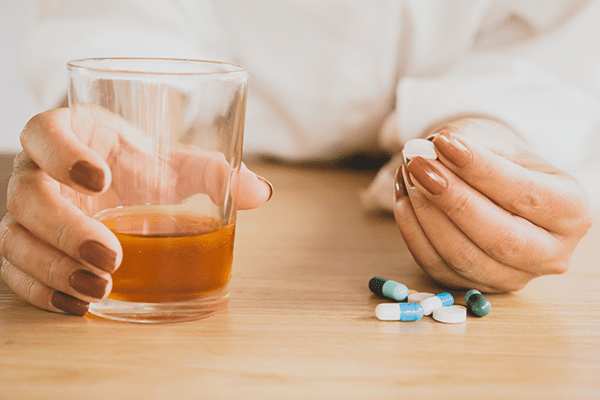
Cold and flu season is arriving, and medicine cabinets are filling up with pain relievers, cough syrups, and sleep aids. At the same time, the season brings parties, celebrations, and plenty of reasons to pour a drink. Most people never stop to ask whether the two belong together.
They often do not. According to the National Institute on Alcohol Abuse and Alcoholism, alcohol can interact with many common medicines, sometimes causing mild side effects and sometimes creating serious health risks. For most people, knowing which combinations to avoid is enough. For people who rely on alcohol together with sedating medications, the risks can become more serious, and stopping safely may require medically supervised care including luxury substance abuse treatment programs or other structured support. Here is what everyone should know before mixing medicine and alcohol.
Why Alcohol and Medicine Can Clash
Alcohol and many medicines are processed by the liver, and both can affect the brain and nervous system. When taken together, alcohol can make some medicines less effective, make others more potent, or increase side effects. NIAAA notes that mixing alcohol with certain medications can cause nausea, vomiting, headaches, drowsiness, fainting, and loss of coordination, and in some cases more serious problems such as internal bleeding, heart problems, and difficulty breathing.
Medicines That Contain Alcohol
Some people do not realise that certain medicines contain alcohol themselves. NIAAA notes that some cough syrups and other liquid medications can contain up to 10% alcohol. Reading labels is especially important for people trying to avoid alcohol entirely.
Common Medicines to Be Careful With
These everyday medications are among those NIAAA and medication labels flag as risky to combine with alcohol. Always check the specific product label and ask a pharmacist if you are unsure.
- Acetaminophen (Paracetamol). This common pain reliever is processed by the liver. U.S. over-the-counter labels warn that people who have three or more alcoholic drinks a day should ask a doctor before using it because of the risk of liver damage.
- Cold, flu, and allergy medicines. Many contain antihistamines, which cause drowsiness. Alcohol can intensify that effect, increasing the risk of dizziness and accidents.
- Sleep aids. Both prescription and over-the-counter sleep medicines can cause sedation. Combining them with alcohol can deepen drowsiness and impair breathing and coordination.
- Anxiety medicines such as benzodiazepines. These medicines slow the central nervous system, as does alcohol. Together they can cause dangerous sedation and slowed breathing.
- Opioid pain medicines. Opioids and alcohol both suppress breathing. Combining them can be life-threatening, which is why opioid medication labels warn against drinking alcohol.
- Blood thinners. NIAAA lists blood-thinning medicines among those that can interact with alcohol, which may affect how the medicine works and increase bleeding risk.
This is not a complete list. NIAAA’s guidance covers many other medication types, including some used for depression, diabetes, high blood pressure, and infections. When in doubt, the safest approach is to ask.
Who Is Most at Risk
NIAAA notes that older adults are particularly vulnerable to alcohol and medication interactions. People tend to take more medications as they age, and the body processes alcohol more slowly. Women may also be at higher risk, because women generally reach higher blood alcohol levels than men after drinking the same amount.
Simple Steps to Stay Safe
Read the label and the patient information leaflet for every medicine you take, including over-the-counter products. Ask your pharmacist whether it is safe to drink while taking a new prescription. Keep an updated list of everything you take, including supplements, and share it with your doctor. If you are unwell enough to need cold or flu medicine, it is usually wise to skip alcohol until you recover.
When Mixing Has Become a Habit
Some people find they regularly combine alcohol with sleep aids or anxiety medicines to relax or sleep. That pattern can be dangerous, and stopping suddenly can also carry risks. NIAAA warns that alcohol withdrawal can be dangerous for people who drink heavily, and withdrawal from sedative medicines can also require medical guidance. Speaking with a doctor is the safest first step.
Final Thoughts
A drink and a dose might seem harmless, but alcohol can change how many common medicines work in the body. A quick check of the label or a short conversation with a pharmacist can prevent unpleasant side effects and, in some cases, serious harm. This season, it is worth making that check part of your routine before you pour.
Frequently Asked Questions (FAQs)
1. Is it safe to drink alcohol while taking Acetaminophen?
Occasional light drinking may be acceptable for some people, but U.S. labels advise people who have three or more alcoholic drinks a day to ask a doctor before using acetaminophen because of liver risks. Ask a pharmacist about your situation.
2. Can cough syrup contain alcohol?
Yes. NIAAA notes that some cough syrups and liquid medications contain up to 10% alcohol, so checking labels is important for anyone avoiding alcohol.
3. Why are opioids and alcohol a dangerous combination?
Both suppress breathing. Taken together, they can slow breathing to dangerous levels, which is why opioid medication labels warn against drinking alcohol.
