


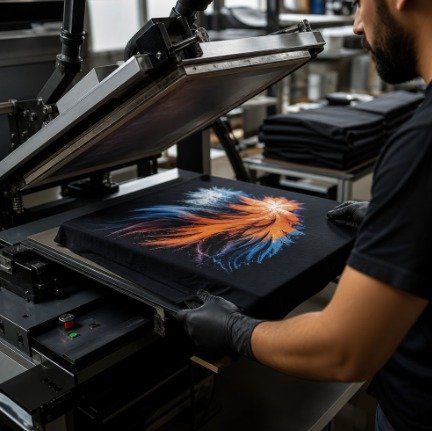
The difference between a promotional shirt that survives one wash and a garment that becomes a wardrobe staple often comes down to the printing method used. Whether you’re producing merchandise for an event, building a streetwear brand, or outfitting a team, understanding how various print techniques affect durability, feel, and appearance will help you make smarter decisions about your custom apparel.
Screen Printing: The Workhorse of Volume Production
Screen printing remains the standard for bulk orders because it delivers vibrant, long-lasting results at scale. The process involves pushing ink through a mesh screen onto fabric, with each color requiring a separate screen. This setup cost makes screen printing economical for runs of 50 pieces or more, but less practical for single items or highly detailed designs with numerous colors.
The ink sits on top of the fabric rather than soaking into the fibers, creating a slightly raised surface you can feel with your fingers. This tactile quality is actually a sign of durability—properly cured screen-printed designs can withstand hundreds of washes without significant fading. The trade-off is reduced breathability in the printed areas and a slightly stiffer hand feel compared to other methods, though this softens over time with wear and washing.
Plastisol ink, the most common choice for screen printing, cures at around 320°F and creates opaque, bold colors that work well on both light and dark fabrics. Water-based inks offer a softer finish that integrates better with the fabric but require more careful handling and work best on lighter-colored garments where opacity isn’t critical.
Direct-to-Garment Printing for Complex Designs
DTG printing functions like an inkjet printer for fabric, spraying water-based ink directly onto the garment. This method excels at reproducing photographs, gradients, and designs with dozens of colors without the setup costs associated with screen printing. It’s particularly valuable for small batch production, sample runs, and on-demand printing where inventory holding costs matter.
The ink penetrates the fabric fibers rather than sitting on top, resulting in a soft hand feel that doesn’t add stiffness or weight to the garment. However, DTG prints typically show more fading over time compared to screen printing, especially on dark fabrics where a pretreatment layer is required to help the ink bond. Expect noticeable color shift after 30 to 50 washes, particularly in high-abrasion areas.
Cotton and cotton-blend fabrics yield the best DTG results. Synthetic materials and heavily textured fabrics pose challenges because the ink doesn’t absorb properly, leading to poor wash durability and a plastic-like surface finish that defeats the purpose of using this method.
Heat Transfer Methods and Their Applications
Heat transfer encompasses several distinct techniques, each with specific use cases. Vinyl heat transfer works well for text, logos, and simple graphics cut from colored vinyl sheets and heat-pressed onto fabric. Sports jerseys and team uniforms often use this method because it produces durable, high-contrast designs with clean edges. The vinyl layer is noticeably thicker than other printing methods and can crack or peel at edges if not applied correctly or if the garment is dried at high heat.
Sublimation printing offers a different approach entirely, using heat to turn solid dye into gas that bonds with polyester fibers at the molecular level. This creates prints that won’t crack, peel, or fade because the design becomes part of the fabric rather than a layer on top. The limitation is strict: sublimation only works on white or light-colored polyester garments. The dye is transparent, so dark base fabrics won’t show the design, and natural fibers like cotton don’t have the chemical structure needed to accept the dye.
Choosing Print Methods for Custom Apparel Projects
Selecting the right printing technique requires balancing several factors: order quantity, design complexity, fabric type, budget, and intended use. A school selling spirit wear benefits from screen printing’s durability and lower per-unit cost on large orders. A photographer selling limited edition art shirts needs DTG’s ability to reproduce detailed imagery without minimum order requirements. Understanding the fundamentals of custom apparel printing helps align production methods with project goals, particularly when working with tight timelines or specific budget constraints.
Fabric weight and composition interact significantly with print methods. Lightweight fabrics below 4.5 oz per square yard show print-through with heavy ink deposits from screen printing, while thick fleece materials require more ink and higher heat settings that can affect hand feel. The foundation garment quality matters as much as the print itself—even perfect printing won’t save a shirt made from thin, loosely woven fabric that pills and stretches after a few wears. Many successful apparel businesses start by understanding wholesale blank garment specifications before committing to a print method.
The Role of Design in Print Longevity
Design decisions made before production significantly impact how well printed apparel holds up over time. Large solid color blocks show cracking and peeling more readily than designs with negative space or textured elements that disguise minor degradation. Placement matters too—designs on high-friction areas like underarms or along waistbands deteriorate faster regardless of print method.
Color choices affect perceived longevity even when actual fade rates are similar. Bright reds and dark blues show fading more obviously than earth tones or heathered colors that naturally vary. Designers working with print shops often adjust their color palettes based on the chosen production method, knowing that a design optimized for screen printing may need modification for successful DTG reproduction.
Contemporary design studios have begun exploring these technical constraints as creative opportunities. The Print Renegades studio in downtown Los Angeles demonstrates how understanding print technology limitations can inform aesthetic choices that enhance rather than compromise design integrity.
Care Instructions and Realistic Expectations
Even well-produced printed apparel requires proper care to maximize lifespan. Washing garments inside-out in cold water reduces abrasion on printed surfaces. Avoiding chlorine bleach prevents chemical breakdown of both fabric and ink. Air drying or using low heat settings prevents the thermal stress that accelerates cracking in vinyl transfers and fading in DTG prints.
Setting realistic expectations matters when producing custom apparel. Screen printing on quality blanks with proper curing can reasonably last 100-plus washes before significant fading. DTG prints might show noticeable change after 30 washes. Vinyl transfers typically last 40 to 60 washes before edge lifting becomes problematic. Sublimation on polyester, when done correctly, maintains color vibrancy longest because the dye is molecularly bonded to the fiber.
These aren’t defects—they’re the natural characteristics of different production methods. Communicating these realities upfront prevents disappointment and helps customers choose the right technique for their specific needs. A festival selling commemorative shirts doesn’t need the same longevity as a company producing employee uniforms worn daily. Matching print method to use case and budget creates better outcomes than assuming one technique suits every application.
Making Informed Production Decisions
The custom apparel landscape continues evolving as new technologies emerge and existing methods improve. Water-based screen printing has become more viable for dark fabrics with better chemistry. DTG machines now print faster with improved wash durability. Hybrid approaches combining multiple techniques on a single garment open new creative possibilities.
What hasn’t changed is the fundamental relationship between print method, fabric quality, and longevity. Taking time to understand these connections before production begins leads to better results than trying to fix problems after garments are printed. Whether you’re producing 50 shirts or 5,000, the technical choices made during planning determine whether your custom apparel becomes forgettable giveaway material or pieces people actually want to wear.
