



Tin Swe Thant is a Burmese-born woman best known as the mother of journalist and author Alex Wagner. She left Rangoon (now Yangon) for the United States in 1965, studied at Swarthmore College, and built a career in the labor movement and nonprofit fundraising in Washington, D.C. Her story became widely known through her daughter’s memoir, Futureface.
Tin Swe Thant at a Glance (Quick Facts)
| Detail | Information |
| Full name | Tin Swe Thant |
| Known for | Mother of journalist Alex Wagner |
| Birthplace | Rangoon (Yangon), Burma (Myanmar) |
| Nationality | Born in Burma; later a U.S. citizen |
| Moved to the U.S. | 1965 |
| Education | Swarthmore College |
| Career fields | Labor movement, nonprofit fundraising |
| Spouse | Carl Wagner (married 1975; later divorced) |
| Child | Alex Wagner |
| Grandchildren | Two grandsons, Cy and Rafael |
| Public status | Private individual |
Who Is Tin Swe Thant?
Tin Swe Thant is not a celebrity or a TV personality. She is a private person whose life crossed two very different worlds: colonial and post-colonial Burma, and political Washington.
Why Her Name Is Known Today
Her name reached a wider audience through her daughter. Reference works describe her as an immigrant from Yangon who became a naturalized U.S. citizen before attending Swarthmore College. Alex Wagner then told the family’s story in Futureface, which turned a private history into a widely read one.
Is Tin Swe Thant a Public Figure?
No. She has never held public office or sought media attention, which is why details such as her birth date and current address are not publicly documented, and should stay that way.
Early Life in Burma (Rangoon/Yangon)
Tin Swe Thant grew up in Rangoon, the capital of a country that had only recently emerged from colonial rule.
Growing Up Under the Shadow of British Rule
Burma was ruled by Britain for much of the early twentieth century and became independent in 1948. Schools in her childhood often blended English-language education with Burmese family life, and that mix shaped her early experience.
Why She Was Called “Maureen”
According to Alex Wagner’s account, an English school required a Western name for her. Her father chose “Maureen,” linked to the actress Maureen O’Hara. For Tin it was a small moment of childhood, but for her daughter it later became a symbol of how names, language, and power intersect.
Burma Under Military Rule After 1962
In 1962, Burma came under military rule, bringing tighter control over politics and public life. Her departure a few years later took place against that backdrop.
Her Journey From Rangoon to Washington, D.C. (1965)
Leaving Burma
Tin arrived in the United States in 1965, first making her way to Washington, D.C. The move meant a new political system, culture, and pace of life, not just a new address.
First Years in America During the Civil Rights and Vietnam Era
She arrived in a country in upheaval. Civil rights marches and arguments over the Vietnam War dominated the news, and the atmosphere helped shape her growing interest in politics.
Education at Swarthmore College
Life as a New Arrival on a U.S. Campus
Tin went on to study at Swarthmore College, a small liberal arts college in Pennsylvania known for its tradition of civic debate. Arriving as a newcomer, she had to adjust to a new academic culture while building a life far from home.
How College Shaped Her Political Interests
Alex Wagner has described her mother’s growing interest in left-leaning politics during these years. That interest helps explain why her first jobs were tied to unions and public-issue groups rather than to the sidelines of political life.
Career: Labor Movement and Nonprofit Work
Working for the Teamsters
By 1971, Tin worked for the Teamsters, the large union representing transport and other workers. Alex recalls seeing the union’s logo on a deck of playing cards at home.
The Alliance for Labor Action Interview
Her Teamsters job led to an interview at the Alliance for Labor Action. The person who met her there was Carl Wagner, the man she would later marry.
Fundraising for an International Group of Science Museums
A 1994 Washington Post article described her as a fundraiser for an international group of science museums. This shows she kept her own career after marriage, separate from her husband’s political campaigns.
How Tin Swe Thant Met Carl Wagner

Who Was Carl Wagner?
Carl Wagner came from Iowa, with family roots in Ireland and Luxembourg. He worked on political causes, including George McGovern’s 1972 presidential campaign, and became a respected Democratic strategist. In 1992 he helped lead Bill Clinton’s first run for the presidency. He died in 2017.
Marriage in 1975 and Later Divorce
Alex has written that her parents did not warm to each other immediately. Shared work and social circles brought them together, and they married in 1975. The marriage later ended in divorce. Their daughter, Alex, was born in 1977.
Life at Home: Burmese Traditions in a Washington Household
Food and Family Stories
Burmese food was a gateway to family history. Alex recalls hearing fragments of the past when her mother or grandmother cooked, usually as casual memories rather than formal lessons.
Buddhist Customs and Respect for the Dead
Tin kept some Buddhist practices at home. Alex has written about watching her pray and about small rituals connected to honoring the dead, which gave her a glimpse of a culture that was close at hand yet far from her school life.
The Tenleytown Home
The 1994 Washington Post piece also covered the family’s choice to renovate an older home in Washington’s Tenleytown area rather than move. It’s an ordinary detail, but it shows the family’s everyday life beyond politics.
Tin Swe Thant and Alex Wagner
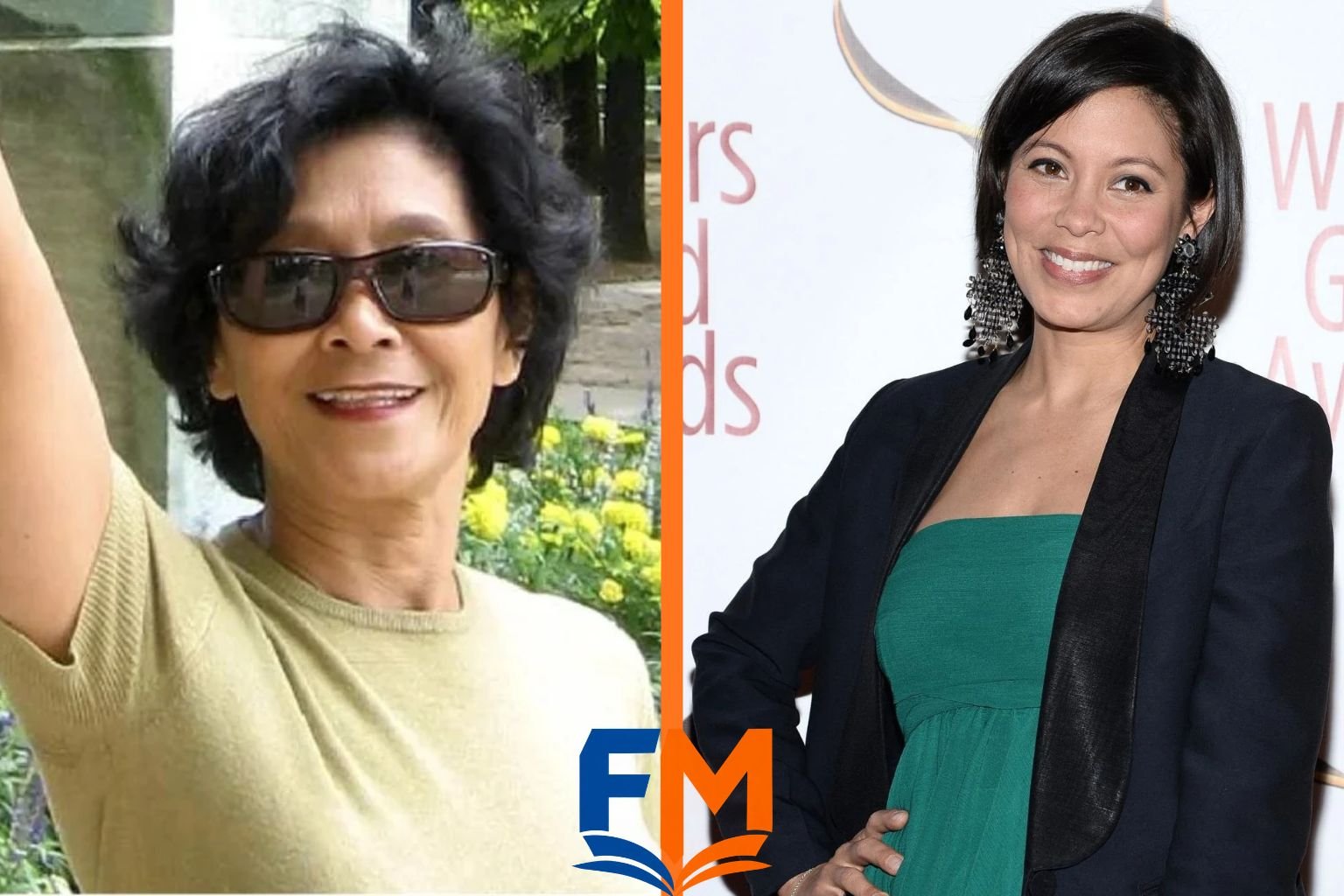
Raising a Mixed-Race Daughter
Alex was the couple’s only child, raised in Washington, D.C. She grew up balancing a Burmese mother and a father with European roots. At times, strangers’ questions about where she was “really from” made her feel she did not fit their picture of an American family.
How Her Story Shaped Alex Wagner’s Perspective
Alex is a journalist and author whose memoir is titled FutureFace: A Family Mystery, an Epic Quest, and the Secret to Belonging. Themes of identity, race, and belonging run through her work, and they trace back to her mother’s experience of leaving, adapting, and carrying culture across borders.
Futureface: The Book That Brought Her Story to Readers
What the Book Says About Tin’s Life
Published in 2018, the book recounts Tin’s arrival in America, her college years, her union work, and her meeting with Carl. It was published by One World/Random House.
How Alex Traced Her Roots
To write it, Alex traveled to Burma and Luxembourg, searched old records, and used DNA tests. Each source gave a different kind of clue: documents show where relatives lived, family stories hint at why they moved, and DNA points to regions of origin. None of them can reveal what a parent felt, which is why the personal stories matter.
The Young Readers Edition
Penguin Random House also publishes an edition for young readers with an extract from the opening chapter. Alex also discussed the book in interviews, including with NPR’s Fresh Air.
Grandchildren and Cultural Legacy
Cy and Rafael
Alex Wagner has two sons, Cy and Rafael. Tin is their grandmother, and the family has kept Burmese culture present in their lives.
Burmese Middle Names and the Name “Thiha”
Both boys were given Burmese middle names, and Alex has said her mother chose “Thiha” for Rafael. Naming is the reverse of the “Maureen” story: a Burmese name passed on deliberately instead of replaced.
Timeline of Tin Swe Thant’s Life
- 1948: Burma gains independence from Britain
- 1962: Military rule begins in Burma
- 1965: Tin moves from Rangoon to the United States
- After arrival: Studies at Swarthmore College
- 1971: Working for the Teamsters
- 1972: Carl Wagner works on the McGovern campaign
- 1975: Marries Carl Wagner
- 1977: Daughter Alex Wagner is born
- 1992: Carl helps lead Bill Clinton’s first presidential run
- 1994: The Washington Post describes her as a museum-group fundraiser
- 2017: Carl Wagner dies
- 2018: Futureface is published
Why Her Story Matters (Identity, Migration, and Belonging)
Washington is usually understood through its elected officials. Tin’s story is a reminder that unions, museums, and nonprofits depend on people whose names rarely make the news. It also reflects a common immigrant experience: adapting to a new country while deciding which traditions to keep. What she kept, from food to prayer to names, became part of what her daughter and grandchildren inherited.
Net Worth, Age, and Other Common Questions
Tin Swe Thant’s net worth, exact age, and current residence are not publicly documented. Some low-quality sites publish figures for these, but they lack credible sourcing. As a private individual, she is entitled to keep those details private.
Final Thoughts
Tin Swe Thant’s life shows how much history can sit inside one family: colonial schooling, military rule, migration, union halls, and a daughter who turned it all into a book. She may never be a household name, but her influence is clear in what the next generation chooses to remember.
More Celebrity Biography Profiles: Vicki Hollub and Justin Bieber: The Truth Behind the Search
Frequently Asked Questions
Who is Tin Swe Thant?
She is a Burmese-born woman, the mother of journalist Alex Wagner, with her own career in labor and nonprofit work.
Where is Tin Swe Thant from?
She was born in Rangoon (Yangon), Burma (now Myanmar).
What nationality is Tin Swe Thant?
She is Burmese by birth and later became a U.S. citizen.
When did Tin Swe Thant move to the United States?
She arrived in 1965, first in Washington, D.C.
Why was Tin Swe Thant also called Maureen?
An English school in Burma required a Western name, and her father chose Maureen.
Where did Tin Swe Thant go to college?
She attended Swarthmore College in Pennsylvania.
Who was Tin Swe Thant’s husband?
Carl Wagner, a Democratic political strategist. They married in 1975 and later divorced. He died in 2017.
How many children does Tin Swe Thant have?
One child, Alex Wagner.
Does Tin Swe Thant have grandchildren?
Yes, two grandsons, Cy and Rafael.
What is Tin Swe Thant’s net worth?
It is not publicly documented, and reported figures are unreliable.
Is Tin Swe Thant a public figure?
No. She is a private individual known through her daughter’s work.
What is Futureface about?
It is Alex Wagner’s 2018 memoir about her mixed heritage and her search for family roots in Burma and Europe.
