


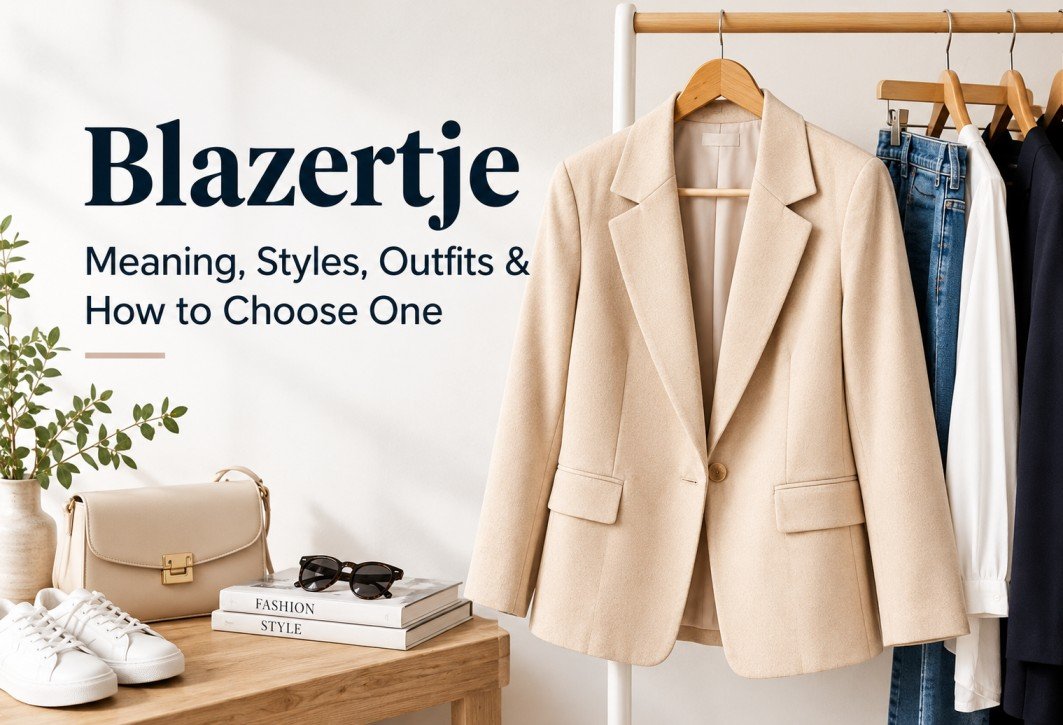
A blazertje is a Dutch word that translates to “little blazer” in English. It is the diminutive form of blazer, a familiar jacket that can be worn for casual outings, professional settings, and dressier occasions. Although the word may suggest a smaller or more relaxed garment, it does not describe one specific jacket design.
Understanding the meaning of blazertje helps you distinguish the Dutch term from the actual clothing style. Whether you are exploring fashion terminology, looking for outfit inspiration, or shopping for a versatile jacket, knowing about its fabrics, fit, colors, and styling options can help you make better choices.
What Is a Blazertje?
Blazertje refers to a blazer using a Dutch diminutive form. In everyday English, the simplest translation is “little blazer” or “small blazer.”
A blazertje may be fitted, oversized, cropped, longline, or traditionally tailored. Its appearance depends on the garment rather than the word itself.
Blazertje Meaning in English
The term combines the word blazer with the Dutch diminutive ending -tje. Dutch diminutives can indicate smallness, familiarity, or affection, depending on context.
Is Blazertje a Dutch Word or a Fashion Brand?
Blazertje is a Dutch word, not inherently a fashion brand. A company could use it as a business or product name, but that is different from its ordinary linguistic meaning.
What Is the Plural of Blazertje?
The Dutch plural is blazertjes. For example, een blazertje means “a little blazer,” while blazertjes refers to multiple blazers described using the diminutive form.
Where Does the Word Blazertje Come From?
The word comes from Dutch noun formation. Dutch uses several diminutive endings, including -je, -tje, -etje, -pje, and -kje. The ending depends on the pronunciation and structure of the original word.
The Dutch Diminutive Ending “-tje”
Adding a diminutive ending can change the tone of a noun without creating an entirely different object. In the case of blazertje, the base word remains recognizable as blazer.
The Difference Between Blazer and Blazertje in Dutch
Blazer names the garment, while blazertje is its diminutive form. The diminutive does not establish a universal requirement for shorter length, lighter fabric, or a particular silhouette.
Blazertje vs. Blazer: What Is the Difference?
The main difference is linguistic rather than technical. A traditional blazer and a garment described as a blazertje can share the same construction and appearance.
| Feature | Blazer | Blazertje |
|---|---|---|
| Meaning | A jacket style | Dutch diminutive of blazer |
| Language | English and Dutch | Dutch |
| Length | Cropped, standard, or long | Cropped, standard, or long |
| Fit | Fitted or relaxed | Fitted or relaxed |
| Fabric | Various materials | Various materials |
| Construction | Depends on the design | No separate standard |
Does a Blazertje Have to Be Small, Short, or Lightweight?
No. A blazertje does not automatically have to be cropped or lightweight. Some fashion descriptions associate the word with relaxed or softer tailoring, but these are interpretations rather than fixed requirements.
How to Identify the Actual Style of a Blazer
Check the garment’s length, shoulder structure, lapels, buttons, lining, and fabric. These details reveal more about its design and intended use than the name alone.
What Are the Main Characteristics of a Blazertje?
Blazertjes can feature familiar blazer details, including lapels, front buttons, pockets, sleeves, and structured shoulders. Some designs have a polished appearance, while others prioritize comfort and relaxed tailoring.
Soft shoulders and lighter lining can make certain jackets feel less formal. However, these features are design choices, not essential characteristics of every blazertje.
Different Types of Blazertjes
Blazers come in a wide range of cuts, making it easier to find one that suits different outfits and preferences.
- Cropped blazertje: Ends around the waist or above the hips and pairs well with high-waisted trousers or skirts.
- Oversized blazertje: Offers extra room through the shoulders, sleeves, or body for a relaxed silhouette.
- Tailored blazertje: Has a more defined shape and works well with office clothing or smart-casual outfits.
- Single-breasted blazertje: Usually features one main row of buttons and a straightforward design.
- Double-breasted blazertje: Features overlapping front panels and typically two rows of buttons.
- Longline blazertje: Extends farther down the body and creates a longer silhouette.
- Unlined blazertje: Has little or no internal lining, which can reduce bulk and create a lighter feel.
Choose a design according to your preferred proportions, comfort, and intended use rather than assuming one style is best for everyone.
Which Fabric Is Best for a Blazertje?
Fabric influences comfort, appearance, durability, and seasonal suitability. The best option depends on the climate and how frequently you plan to wear the jacket.
Cotton and Cotton Blends
Cotton is a versatile choice for everyday wear. Depending on its weave and weight, it can create either a relaxed jacket or a more structured appearance.
Linen for Warm Weather
Linen is breathable and well suited to warmer conditions. It naturally wrinkles, so it is a good choice if you appreciate a relaxed texture rather than expecting a perfectly smooth finish.
Wool and Wool Blends
Wool provides warmth and can hold a tailored shape. Lightweight wool may suit cooler days, while heavier blends are more appropriate for colder conditions.
Polyester, Viscose, Tweed, and Other Fabrics
Polyester blends can offer practical care benefits, depending on their construction. Viscose may create a softer drape, while tweed adds texture and a more substantial appearance.
Always check the fabric composition and care label. A jacket’s lining and overall weight also affect how comfortable it feels.
How Should a Blazertje Fit?
A good fit allows natural movement while creating the silhouette you want.
Checking the Shoulders, Chest, and Sleeves
For a traditionally fitted blazer, the shoulder seams should sit close to your natural shoulders. The chest should not pull excessively when the jacket is buttoned, and the sleeves should allow comfortable movement.
Choosing Between Fitted and Oversized
A fitted design emphasizes the body’s shape, whereas an oversized jacket creates more room. Choose a garment designed for the intended fit instead of simply purchasing several sizes larger.
Choosing the Right Jacket Length
Cropped styles often complement high-waisted clothing, while longer jackets can work with straight-leg trousers, jeans, or dresses. Try different proportions to see what feels balanced.
Checking Fit When Shopping Online
Compare the seller’s size chart with the measurements of a jacket you already own. Read recent customer reviews for information about sizing, fabric, and construction, and check the return policy before ordering.
How to Style a Blazertje for Different Outfits
A blazer can make everyday clothing look more polished without requiring a complete wardrobe change.
Blazertje with Jeans and a T-Shirt
Pair a black, navy, or beige blazer with straight-leg jeans and a plain T-shirt. Sneakers create a casual finish, while loafers offer a slightly smarter alternative.
Blazertje with Tailored Trousers
Combine a fitted blazer with tailored trousers and a simple shirt, blouse, or knit top. Matching colors create a coordinated appearance, while contrasting shades add interest.
Blazertje with Dresses and Skirts
A cropped jacket can complement a high-waisted skirt or a longer dress. A longline blazer provides a different silhouette and works well over simple dresses.
Choosing Shoes and Accessories
Sneakers, boots, and loafers can each change the mood of an outfit. A belt, watch, scarf, or understated jewelry can complete the look without overwhelming it.
How to Wear a Blazertje for Different Occasions
For everyday activities, wear a relaxed blazer with jeans, comfortable shoes, and a basic top.
For the office, choose a neat design with tailored trousers, a skirt, or a simple dress. Consider your workplace dress code before selecting colors and fabrics.
For dinners and social gatherings, textured fabrics or sharper tailoring can create a more refined outfit. A blazer is not automatically suitable for every formal event, however. Weddings, black-tie occasions, and strict business events may require specific dress codes.
How to Wear a Blazertje in Every Season
Spring: Choose breathable cotton or lightweight blends that provide an extra layer without excessive warmth.
Summer: Linen and lightweight fabrics are useful options, especially when the jacket has minimal lining.
Autumn: Layer a blazer over a shirt, fine-knit sweater, or lightweight turtleneck.
Winter: Consider wool or heavier blends. In particularly cold weather, wear the blazer beneath suitable outerwear rather than treating it as a replacement for a winter coat.
Which Blazertje Colors Are Easiest to Style?
Black, navy, grey, beige, and cream are practical choices because they work with many wardrobe staples.
Brown and camel offer warmer alternatives, while red, green, pink, and burgundy can add color to a simple outfit. Patterns such as checks, stripes, and herringbone provide additional texture.
When choosing a color, consider the trousers, tops, shoes, and accessories you already own. A versatile jacket you can wear regularly may offer more value than a color that matches only one outfit.
How to Choose a Good-Quality Blazertje
Look beyond appearance when assessing quality. Examine the fabric, stitching, seams, buttonholes, lapels, and pockets. The jacket should hang naturally and allow comfortable movement.
Check whether the material suits your intended use. A lightweight summer jacket may not need a heavy lining, while a structured work blazer may benefit from more internal support.
Read product descriptions carefully and compare recent customer reviews. Price alone does not establish quality; fit, construction, material, and care requirements are also important.
What Should You Consider Before Buying a Blazertje?
Before purchasing, ask yourself where and how often you will wear the jacket.
Consider these factors:
- Purpose: Decide whether you need a casual, professional, or occasion-specific garment.
- Fit: Check shoulder placement, sleeve length, chest room, and overall proportions.
- Fabric: Choose material suited to your climate and comfort preferences.
- Versatility: Consider how well the jacket matches your existing wardrobe.
- Maintenance: Review washing, ironing, steaming, and dry-cleaning requirements.
- Budget: Compare quality, usefulness, and return policies rather than focusing only on price.
These checks can help you avoid buying a jacket that looks appealing online but proves uncomfortable or impractical.
How to Care for and Store a Blazertje
Always follow the garment’s care label because different fabrics require different cleaning methods. Do not assume every blazer is machine washable.
Air the jacket after wearing it and use a suitable steamer only when the fabric permits. A supportive hanger can help maintain its shoulder shape, while adequate storage space prevents unnecessary creasing.
Clean stains according to the manufacturer’s instructions and ensure the garment is completely dry before storing it for an extended period.
Is a Blazertje a Fashion Trend or a Wardrobe Essential?
Blazertje is primarily a Dutch linguistic form rather than a universally recognized, separate clothing category. The blazer itself remains a versatile garment because it can work with casual, smart-casual, and professional clothing.
Individual details, such as oversized shoulders, cropped lengths, and seasonal colors, may change with fashion. A comfortable jacket in a style you genuinely enjoy can remain useful beyond short-lived trends.
Final Thoughts on Choosing and Wearing a Blazertje
Blazertje is best understood as the Dutch diminutive of blazer, not as a garment with a fixed set of design rules. The jacket itself can be cropped, oversized, tailored, lightweight, or structured.
To choose the right one, focus on fit, fabric, comfort, construction, and how well it works with your wardrobe. Whether you want a relaxed weekend outfit or a polished office look, understanding the term and evaluating the actual garment will help you make a more informed choice.
Learn more and explore exciting content on: Domikyo.com: A Complete Guide to the Website and Its Topics
Frequently Asked Questions About Blazertje
What does blazertje mean in English?
It means “little blazer” or “small blazer.” It is the Dutch diminutive form of the word blazer.
Is blazertje a real Dutch word?
Yes. It follows the Dutch pattern of forming diminutives by adding an appropriate suffix to a noun.
Is a blazertje different from a regular blazer?
Not necessarily. The word itself does not define a separate construction or international clothing category.
Is a blazertje always cropped or lightweight?
No. Its length, weight, fabric, and fit depend on the actual garment.
Can men and women wear a blazertje?
Yes. Blazers are available in a wide variety of cuts and can be chosen according to individual preferences rather than gender labels alone.
Can you wear a blazertje to work?
Yes, if its design suits your workplace dress code. A neat blazer with tailored trousers or a skirt is a common business-casual combination.
Which fabric is best for a summer blazertje?
Linen and lightweight cotton are useful options. Check the fabric weight and lining to determine whether the jacket will be comfortable in warm weather.
How do you choose the right size?
Compare garment measurements with your own measurements or a well-fitting jacket. Check the shoulders, chest, sleeves, and length, and consult the retailer’s size guide.
Is blazertje the name of a clothing brand?
Not inherently. It is a Dutch word, although individual businesses may use it as a brand or product name.
