


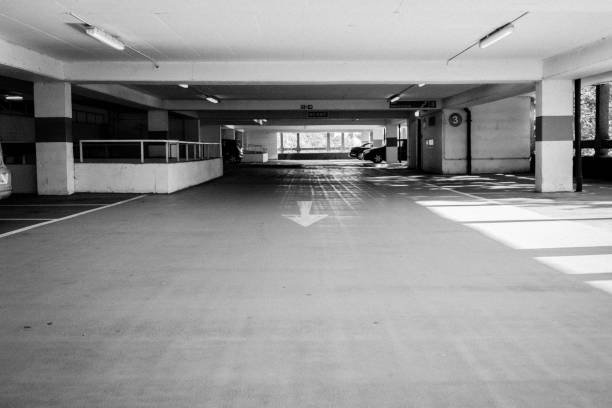
For years, most garages in the UK have had the same floor: bare, dusty concrete that stains the moment oil drips on it. More homeowners are now turning their garages into workshops, gyms and storage spaces, and the floor is usually the first thing they want to improve. Resin flooring, and epoxy in particular, has become one of the most popular options. Here is what it is, what it takes to get right, and what to ask before you book an installer.
What is an epoxy garage floor?
Epoxy is a two-part resin. When the resin and hardener are mixed, they react and cure into a hard, sealed coating that bonds to the concrete underneath. Unlike floor paint, which sits on the surface and can peel, a properly installed epoxy system becomes part of the floor.
The finished surface is seamless, so there are no joints for dirt to collect in. It resists oil, petrol and most household chemicals, and it can be swept and mopped like a kitchen floor.
Epoxy or MMA?
Epoxy is not the only resin used on garage floors. MMA (methyl methacrylate) is a fast-curing resin system. Its big advantage is speed: an MMA floor cures in hours rather than days, so the garage can be back in use much sooner. It can also be laid in colder temperatures than many epoxies.
Epoxy remains a popular, cost-effective choice where a few days’ downtime is not a problem. A good installer will explain both options and recommend the one that suits your garage, your timescale and how you plan to use the space.
Why preparation matters more than the resin
Most resin floors that fail do so because of poor preparation, not poor products. Concrete needs to be clean, dry and mechanically prepared, usually by diamond grinding or shot blasting, so the resin has a rough surface to grip. Old paint, oil stains and weak surface layers all need to come off first.
Moisture is the other big issue. Garage slabs without a damp-proof membrane can push moisture up through the concrete, which lifts the coating over time. A good installer will test the floor before quoting and recommend a moisture-tolerant primer or screed where it is needed.
Decorative options
Resin floors are not just grey. Popular finishes for homes include:
- Solid colours, often in greys and charcoals that hide tyre marks well.
- Decorative flake, where coloured flakes are broadcast into the resin for a textured, speckled finish.
- Anti-slip finishes, where a fine aggregate is added to the topcoat. This is worth considering for garages used as gyms or with a door to the garden.
If you want something similar outside, resin-bound driveways and paths use a different system made with natural stone, designed for outdoor use and drainage.
How long does it take?
A typical single garage can be prepared and coated in a few days with epoxy, depending on the system and the condition of the concrete. Most epoxy floors can take light foot traffic within a day, but cars should be kept off until the resin has fully cured, which usually takes several days. If you need the garage back quickly, an MMA system can usually be walked on and driven on the same day. Your installer should give you exact times for the system they use.
Questions to ask an installer
- How will you prepare the concrete, and is that included in the price?
- Will you test for moisture before starting?
- Do you recommend epoxy or MMA for my garage, and why?
- How many coats, and is there an anti-slip option?
- What guarantee do you give, and are you insured?
A detailed, itemised quote is a good sign. It shows the installer has looked at your floor properly rather than quoting a flat price per square metre.
Is a resin floor right for your garage?
If you want a floor that is easy to clean, resists stains and makes the space usable for more than parking, a resin floor is hard to beat. The key is choosing an experienced installer who takes preparation seriously.
Manchester-based PMC Resin Floors & Screeds has more than 20 years in the trade and installs epoxy and MMA garage floors and resin driveways for homes across the North West and the UK, with free itemised quotes.
