


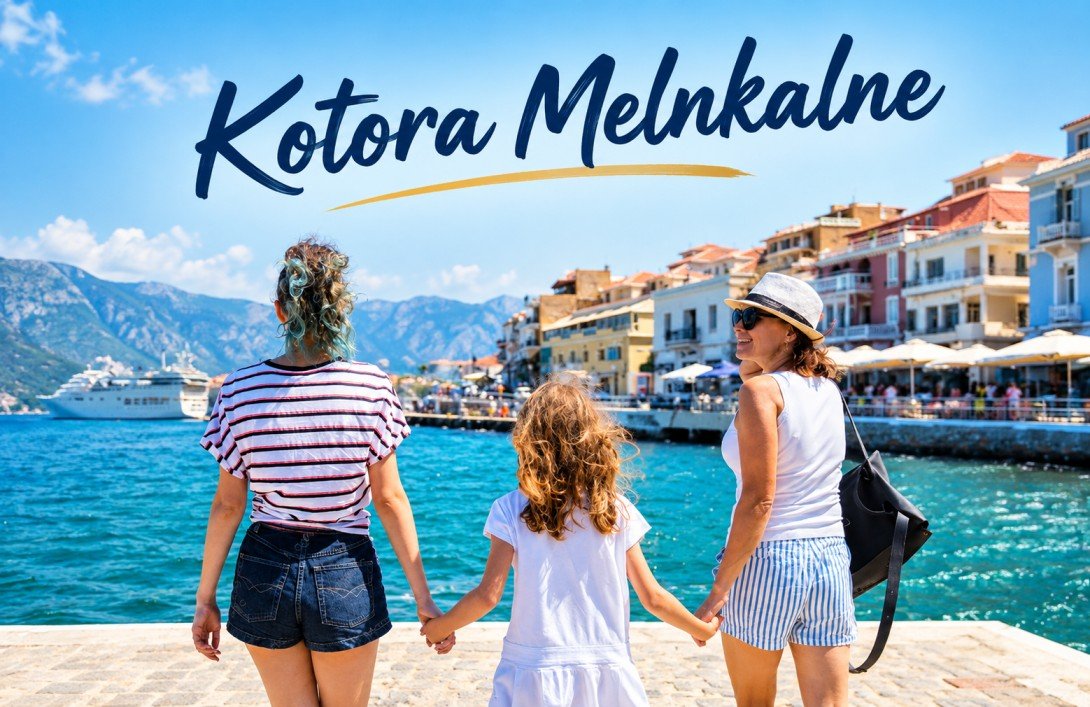
Kotora Melnkalne refers to Kotor, Montenegro, a historic coastal city set between the dramatic mountains and calm waters of the Bay of Kotor. With its medieval Old Town, ancient churches, defensive walls, maritime heritage and spectacular scenery, Kotor brings together history, nature and Adriatic culture in one compact destination.
The wider Natural and Culturo-Historical Region of Kotor has been a UNESCO World Heritage Site since 1979. UNESCO describes the area as an important medieval artistic and commercial centre, while the protected region covers 14,600 hectares of the inner Bay of Kotor.
Whether you want to wander through narrow stone streets, climb towards San Giovanni Fortress, take a boat across the bay, visit Perast or sample local seafood, this guide covers what you need to know about Kotora Melnkalne.
What Is Kotora Melnkalne?
What Does Kotora Melnkalne Mean?
“Kotora Melnkalne” refers to Kotor in Montenegro. Kotor is a historic settlement on the Adriatic coast and one of the best-known destinations in the country.
Where Is Kotor, Montenegro?
Kotor lies in southwestern Montenegro at the southeastern end of the Bay of Kotor. The city is surrounded by steep mountains, while the sheltered bay gives the area its distinctive combination of water, stone architecture and dramatic landscapes.
What Is Kotor Famous For?
Kotor is particularly known for its Old Town, medieval fortifications, churches, maritime heritage, Bay of Kotor scenery and San Giovanni Fortress. The region’s cultural importance is officially recognised through its UNESCO World Heritage designation.
Kotor at a Glance
| Travel detail | Information |
|---|---|
| Country | Montenegro |
| Region | Southwestern Montenegro |
| Main attraction | Kotor Old Town |
| Natural setting | Bay of Kotor |
| Famous for | History, architecture, mountains and coastal scenery |
| Nearby places | Perast, Budva, Lovćen and Njeguši |
| Ideal first visit | About 2–3 nights |
Why Visit Kotora Melnkalne?
Kotor offers several different experiences without requiring long journeys between them. You can explore a historic walled city in the morning, walk beside the bay in the afternoon and enjoy a traditional Adriatic-Balkan meal in the evening.
Its setting is equally important. Mountains rise sharply around the Bay of Kotor, creating the scenery that makes the city immediately recognisable. The UNESCO-protected region combines historic settlements, palaces, religious buildings and cultivated landscapes with the surrounding mountains and sea.
Kotor Old Town: The Historic Heart of Kotora Melnkalne
The Old Town of Kotor is the cultural centre of the destination. Behind its stone walls, narrow pedestrian lanes lead to small squares, churches, cafés, courtyards and historic buildings.
The best approach is to explore slowly. Instead of rushing from landmark to landmark, take time to notice carved stone details, old doors, shutters and the architecture surrounding the squares.
Historic Churches and Important Buildings
The Cathedral of Saint Tryphon, St Luke’s Church and St Nicholas Church are among the important religious landmarks. The Maritime Museum provides another perspective by focusing on the city’s long relationship with seafaring and trade.
Kotor’s architecture also reflects its connections with the wider Adriatic world. UNESCO notes the region’s important Venetian influence and its historic role in spreading Mediterranean cultures into the Balkans.
Best Things to Do in Kotor Montenegro
Explore Kotor Old Town
Walking through the Old Town is the essential starting point. Visit its squares, churches and historic buildings, then explore the smaller lanes away from the busiest routes.
Walk Along the Waterfront
The waterfront provides a completely different perspective. From here, you can see the mountains rising behind the city while boats move across the bay.
Climb Kotor City Walls
The historic fortifications climb the mountainside above the Old Town. Higher sections provide increasingly broad views across Kotor and the bay.
Take a Boat Trip
A boat excursion is one of the easiest ways to experience the scale of the Bay of Kotor. Trips can connect Kotor with places such as Perast and the islands of the bay.
Visit Perast
Perast is a smaller historic settlement with stone houses, former palaces and waterfront views. It makes an easy addition to a Kotor itinerary.
Enjoy Local Food
Kotor’s cuisine reflects both Adriatic and Balkan influences. Seafood, vegetables, cheese, cured meats and traditional mountain products are common choices.
Kotor Fortress and City Walls
The defensive walls of Kotor extend from the historic city towards San Giovanni Fortress on the mountainside. The climb is much more demanding than an ordinary Old Town walk, with steep and uneven stone steps.
Start early when possible, especially in warm weather. Bring water, wear shoes with good grip and allow plenty of time for breaks.
The reward is the view. From above, the compact Old Town sits between the mountains and the blue-green waters of the bay.
The wider fortification system is part of Kotor’s World Heritage significance. UNESCO notes that the historic monuments and walls were seriously damaged by the 1979 earthquake but were subsequently restored, largely with UNESCO assistance.
Exploring the Bay of Kotor
The Bay of Kotor is much more than a backdrop to the city. Small settlements, churches, waterfront homes and historic communities extend around its shores.
Montenegro’s official tourism information identifies the Bay of Kotor as the country’s largest bay and highlights its Mediterranean climate and coastal conditions.
You can explore the bay by boat, road or a combination of both. Boat travel provides excellent views of the surrounding mountains, while driving allows more freedom to stop in smaller communities and viewpoints.
Perast and Our Lady of the Rocks
Perast is one of the most convenient day trips from Kotor. Its smaller scale makes it easy to explore on foot, while its waterfront provides views towards two famous islands.
One of them is home to Our Lady of the Rocks, a church reached by small boats from Perast. The site combines religious tradition, maritime history and the distinctive landscape of the bay.
A half-day is generally enough for a relaxed visit to Perast, although travellers with more time can stay longer and explore the waterfront at a slower pace.
Beaches and Swimming Near Kotor
Kotor is not primarily a sandy-beach destination. Swimming around the town and bay generally involves smaller waterfront areas, rocky or pebbled sections and bathing platforms.
The attraction is the combination of water and mountain scenery rather than a conventional resort beach.
If beaches and nightlife are priorities, nearby Budva offers a different type of coastal experience. Kotor is more strongly associated with heritage, scenery, walking and cultural sightseeing.
Kotor Food and Local Cuisine
Kotor’s food reflects its location between the Adriatic coast and the Balkan interior.
What to Eat in Kotor
Look for fresh fish, mussels, squid, vegetables, cheese, cured meats, soups and freshly baked bread.
One regional speciality worth trying is Njeguški pršut, a traditionally cured and smoked ham associated with the mountain village of Njeguši.
Restaurants in the Old Town are convenient, but quieter streets away from the busiest squares can provide a more relaxed dining experience.
Best Time to Visit Kotora Melnkalne
Kotor in Summer
Summer brings warm weather, long daylight hours and ideal conditions for swimming and boat trips. It is also the busiest period, and the Old Town can become crowded.
Kotor in Spring and Autumn
Late spring and early autumn are useful seasons for walking and sightseeing because conditions are generally more comfortable than during the hottest part of summer.
Kotor in Winter
Winter offers a quieter atmosphere. Some tourism services may operate on reduced schedules, but travellers interested mainly in architecture, photography and peaceful exploration may appreciate the lower activity.
Where to Stay in Kotor
Staying inside or near the Old Town provides easy access to historic attractions, restaurants and evening walks. It can be particularly convenient for short visits because much of Kotor can be explored on foot.
Accommodation farther from the centre may provide more space, parking and quieter surroundings. Waterfront properties can also offer attractive views.
Before booking, check parking, stairs, air conditioning, walking distance and luggage access, particularly if you are travelling by car or carrying heavy bags.
Kotor Travel Costs and Budget
The cost of visiting Kotor depends on the season, accommodation, restaurants and excursions.
Summer tends to bring greater demand, while travelling during the shoulder seasons may provide better value. Boat trips, private guides and longer excursions will increase the overall budget.
A useful approach is to decide what matters most before arriving. Travellers focused on the Old Town can walk much of the time, while those wanting to explore the wider bay should budget for transport or excursions.
How to Get Around Kotor
Exploring Kotor on Foot
The Old Town is compact and pedestrian-friendly, making walking the simplest way to explore its historic centre.
Can You Visit Kotor Without a Car?
Yes. The Old Town and waterfront are easily explored on foot, while buses, taxis, boats and organised excursions can cover longer journeys.
A car becomes more useful if you want to explore the wider Bay of Kotor independently.
Getting to Kotor From Tivat Airport
Tivat Airport is relatively close to Kotor, although mountainous roads and coastal traffic mean journey times can vary. For wider Montenegro trips, Podgorica is another airport option but is farther away.
Is Kotor Safe for Tourists?
Kotor is generally straightforward for tourists who follow normal travel precautions. During busy summer periods, particularly around cruise arrivals, crowded areas require extra attention to personal belongings.
The more significant practical concern for many visitors is terrain. The fortress route contains steep and uneven sections, while summer heat can make the climb more demanding.
Check weather conditions before mountain activities, carry enough water and avoid treating steep hiking routes as casual walks.
Day Trips From Kotor
Perast
A natural choice for a half-day trip, with historic architecture and access to Our Lady of the Rocks.
Budva
A contrasting coastal destination known for beaches, nightlife and another historic centre.
Lovćen National Park
A mountain destination that adds a different landscape to a Bay of Kotor itinerary.
Njeguši
Known for mountain scenery and traditional food, including Njeguški pršut.
These destinations allow a longer Kotor stay to become part of a broader Montenegro itinerary.
Kotor Travel Tips for First-Time Visitors
- Start sightseeing early to avoid the busiest hours.
- Wear comfortable shoes for stone streets and fortress steps.
- Carry water when climbing above the Old Town.
- Allow extra travel time on winding coastal and mountain roads.
- Check seasonal opening times for attractions and services.
- Consider staying overnight rather than visiting only as a quick stop.
- Explore side streets instead of remaining only on the main pedestrian routes.
- Respect rules when entering churches and religious sites.
- If travelling in summer, plan demanding walks outside the hottest part of the day.
How Many Days Do You Need in Kotor?
One Day in Kotor
One day can cover the Old Town, major churches, waterfront and some of the lower fortification areas.
Two Days in Kotor
Two days provide a better introduction, allowing time for the Old Town and fortress area without rushing.
Three Days or More
Three or four days allow you to add Perast, a boat trip, swimming or another nearby destination such as Budva or Lovćen.
Is Kotora Melnkalne Worth Visiting?
Kotora Melnkalne offers a combination of experiences that is difficult to reduce to one attraction. The Old Town provides history and architecture, the fortress adds hiking and panoramic views, while the bay provides boating, swimming and scenic excursions.
It is less suitable for travellers looking exclusively for a conventional sandy-beach resort. For visitors interested in heritage, mountains, coastal scenery, walking, food and maritime culture, however, Kotor provides a broad range of experiences within a relatively compact area.
Final Thoughts on Kotora Melnkalne
Kotora Melnkalne, or Kotor Montenegro, is a destination where medieval history, maritime culture, dramatic mountains and Adriatic scenery come together. Its UNESCO-recognised heritage, compact Old Town, historic fortifications and connection with the Bay of Kotor give travellers plenty to explore.
Give yourself enough time to experience more than the main square. Walk the Old Town, explore the waterfront, climb the fortress if suitable, take a trip across the bay and visit nearby Perast. With thoughtful planning, Kotor can be experienced as both a historic city and a gateway to one of Montenegro’s most distinctive coastal landscapes.
Frequently Asked Questions About Kotora Melnkalne
What is Kotora Melnkalne?
Kotora Melnkalne refers to Kotor in Montenegro, a historic city on the Bay of Kotor known for its Old Town, churches, fortifications and mountain scenery.
Where is Kotora Melnkalne located?
It is located in southwestern Montenegro on the southeastern end of the Bay of Kotor, on the Adriatic coast.
What is Kotor famous for?
Kotor is famous for its medieval Old Town, historic walls, churches, maritime heritage and dramatic setting between mountains and the bay.
How many days are enough for Kotor?
Two to three nights are suitable for a first visit. Longer stays allow time for Perast, boat trips and other nearby destinations.
Can you visit Kotor without a car?
Yes. The Old Town and waterfront are walkable, while buses, taxis, boats and organised excursions can be used for longer journeys.
Is Kotor suitable for families?
Yes, although families should consider the uneven paving and steep fortress route. The Old Town and waterfront are easier to explore.
Is Kotor a beach destination?
Not primarily. Kotor has swimming areas around the bay, but it is better known for its historic architecture, mountains, scenery and cultural attractions.
What is the best time to visit Kotor?
Spring and early autumn can be comfortable for sightseeing and walking. Summer is better suited to warm-weather swimming and boating but is generally busier.
