


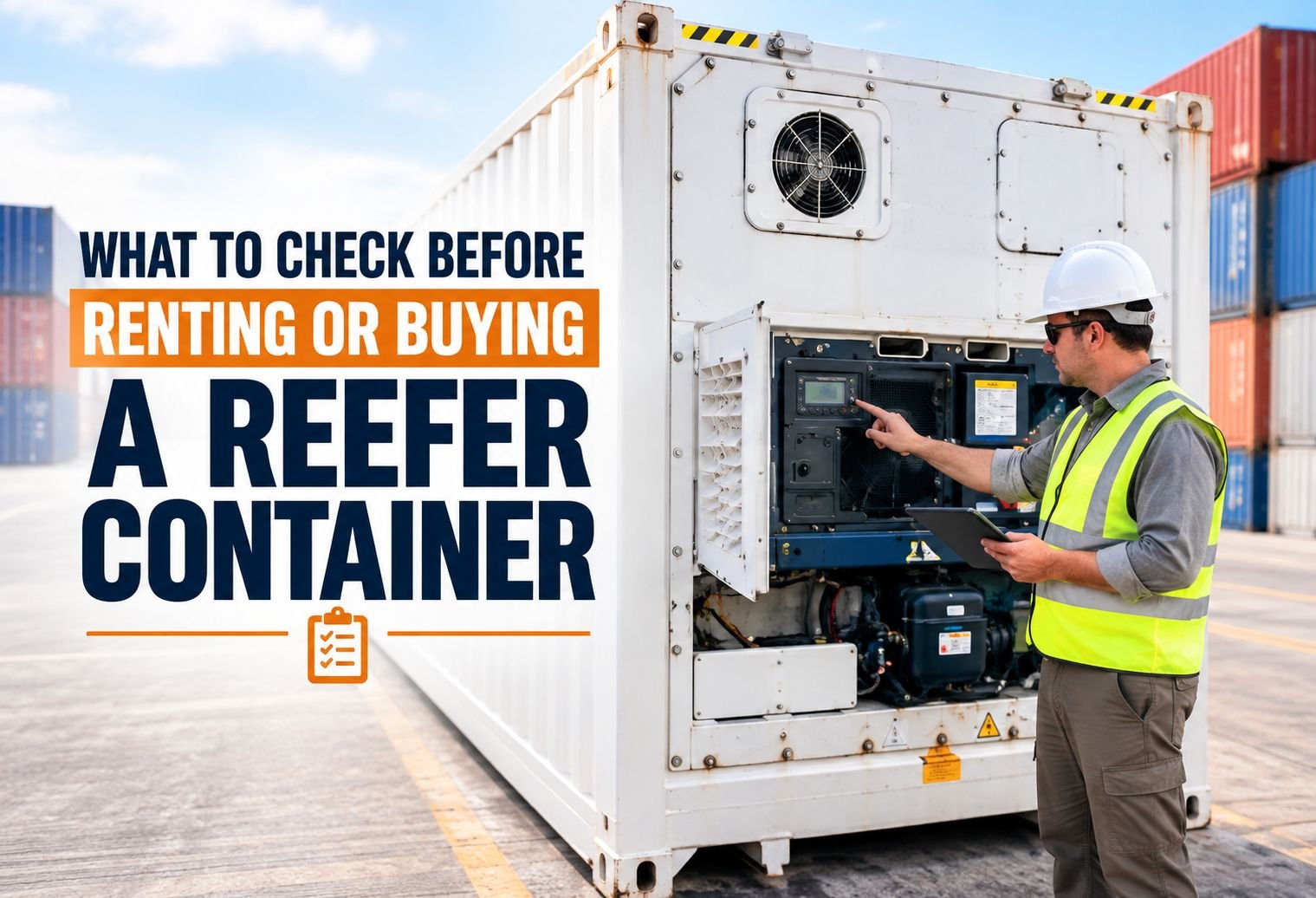
Temperature-controlled storage plays an important role in many UK industries. Food producers, pharmaceutical businesses, catering companies, wholesalers and logistics operators often need reliable cold storage to protect products from temperature changes.
A refrigerated container, commonly known as a reefer container, can provide a practical solution. However, choosing the right unit requires more than checking its size and price. Businesses should consider temperature requirements, condition, energy use, maintenance and whether hiring or buying makes more sense.
Understand Your Temperature Requirements
Before choosing a refrigerated container, establish the temperature range your products require.
Different goods have different storage conditions. Fresh produce may need a different temperature from frozen food, while pharmaceutical or specialist products can have much tighter requirements.
Consider whether you need chilled or frozen storage and whether the temperature must remain constant throughout the day. Also think about how often the container will be opened because frequent access can affect internal temperatures.
Having clear requirements makes it easier to select suitable equipment and avoid paying for capacity or features you do not need.
Choose the Right Container Size
Refrigerated containers come in several standard sizes, with 20ft and 40ft options being common choices for commercial applications.
The right size depends on more than the amount of stock you have today. Consider your expected inventory levels, pallet dimensions, loading methods and available space.
Avoid choosing a container that is significantly larger than necessary simply because it offers more storage. A larger unit can require more energy and may not make efficient use of your available space.
At the same time, leaving too little room for stock movement can create operational problems. Allow enough space for safe loading, unloading and airflow around stored goods.
Check the Refrigeration System
The refrigeration unit is one of the most important components of a reefer container. Before hiring or purchasing one, ask about its operating condition, maintenance history and temperature range.
For used equipment, check whether the refrigeration system has been regularly serviced. Look for signs of damage, unusual noises, leaks or inconsistent cooling.
It is also worth asking how quickly the unit can reach the required temperature. This matters particularly when products need to be loaded into a pre-cooled environment.
Reliable refrigeration can help businesses maintain consistent conditions and reduce the risk of product deterioration.
Consider Refrigerated Container Hire
For businesses that need temporary, seasonal or flexible cold storage, refrigerated container hire can be a practical option.
Hiring avoids the larger upfront investment associated with purchasing a container. It can also make sense when storage requirements change throughout the year. For example, a food business may need additional chilled capacity during periods of increased demand but have less need for it during quieter months.
Refrigerated containers for hire can also support businesses during warehouse refurbishment, equipment breakdowns or short-term expansion.
When comparing hire options, look beyond the basic rental price. Check what is included in the agreement, such as delivery, collection, servicing and technical support.
For businesses exploring different refrigerated storage options, reviewing the available refrigerated containers can help clarify which type of solution may suit their operational requirements.
Refrigerated Container Hire vs Buying
The decision between refrigerated container hire and refrigerated containers for sale depends largely on how long you expect to need the equipment and how predictable your storage requirements are.
Hiring generally provides greater flexibility. It can be suitable for short-term projects, seasonal demand or businesses that do not want to commit capital to specialist equipment.
Buying, however, may make more financial sense for businesses that require refrigerated storage continuously. Once purchased, the container becomes a business asset, although the owner remains responsible for maintenance, repairs, energy costs and eventual replacement.
Think about the total cost rather than comparing only the monthly hire price with the purchase price. Delivery, installation, electricity consumption, servicing and repairs can all influence the overall cost.
Check Energy Consumption
Refrigeration equipment operates continuously, so energy efficiency should be part of the decision-making process.
Ask about the refrigeration unit’s energy requirements and consider how frequently it will operate at full capacity. Older equipment may consume more electricity than newer, well-maintained systems.
Good insulation also plays an important role. Damaged door seals or insulation can allow cold air to escape, forcing the refrigeration system to work harder.
For businesses operating refrigerated storage over long periods, even relatively small differences in energy efficiency can affect operating costs.
Inspect the Condition of the Container
If you are buying a used reefer container, inspect both the exterior and interior carefully.
Look for corrosion, dents, damaged doors and worn seals. Inside, check the flooring, walls and ceiling for signs of damage or moisture.
The doors should close securely and form a proper seal. Poor sealing can make it difficult to maintain stable temperatures and can increase energy consumption.
Ask for maintenance records where available. A container with a clear service history may provide greater confidence than one with an unknown background.
Consider Location and Installation
A refrigerated container needs an appropriate location with access to a reliable electricity supply.
The ground should be suitable for supporting the container, while sufficient clearance around the refrigeration equipment should be maintained for ventilation and servicing.
Think about access for delivery vehicles as well. A container may be suitable in terms of capacity but difficult to install if the site has restricted access.
Before arranging delivery, check whether the proposed location provides enough space for positioning, loading and future maintenance.
Think About Maintenance and Support
Refrigeration equipment requires regular attention. A breakdown can quickly become a serious operational problem when temperature-sensitive stock is involved.
Ask potential suppliers about maintenance arrangements and emergency support before signing a hire agreement or purchasing equipment.
For hired units, clarify who is responsible for servicing and repairs. For purchased containers, establish what maintenance you will need to arrange yourself.
A clear understanding of responsibilities can prevent confusion when something goes wrong.
Make the Decision Based on Your Business Needs
There is no single option that suits every business. A company with permanent, predictable cold-storage requirements may benefit from purchasing. Another business with seasonal demand may find refrigerated container hire more practical.
Before making a decision, compare the expected storage period, capacity requirements, temperature range, energy costs, maintenance responsibilities and available budget.
Most importantly, choose equipment that can maintain the environmental conditions your products require consistently.
Conclusion
A reefer container can provide valuable additional cold-storage capacity for UK businesses, but selecting the right solution requires careful planning. Temperature requirements, container size, refrigeration performance, energy consumption, condition and maintenance should all be considered before committing.
For businesses that need flexibility, refrigerated container hire can provide a practical way to increase capacity without the larger upfront cost of ownership. Meanwhile, businesses with long-term requirements may find refrigerated containers for sale a better investment.
By assessing your operational needs and comparing the full costs of hiring and buying, you can choose a refrigerated storage solution that supports your business while keeping temperature-sensitive goods in suitable conditions.
See more amazing information. Visit: Freely Magazine
