


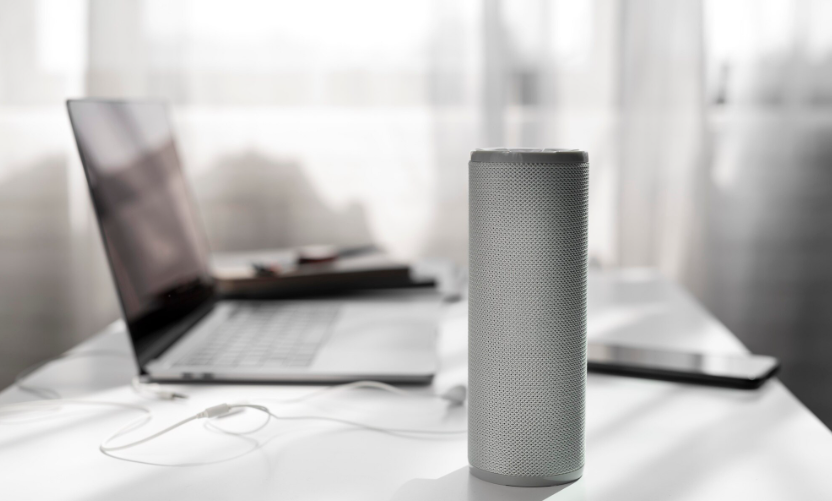
Wireless speakers have become a convenient way to enjoy music, podcasts, films and other audio without dealing with cables. They can be used in different rooms, moved around when needed and connected to a range of devices. When choosing wireless speakers, consider sound quality, battery life, connectivity, and portability to find a model that suits your listening preferences and lifestyle. For many people, they offer a simple way to improve everyday listening.
However, choosing the right wireless speaker is not always straightforward. There are many models with different sizes, features and sound profiles. Some are designed for small rooms, while others can fill a larger space. Some focus on portability, while others are made to stay in one place.
Knowing what to look for can help you choose a speaker that suits your needs without paying for features you may never use.
Sound Quality Matters
Sound quality should be one of the main things you consider when buying a wireless speaker. A speaker can have many useful features, but those features mean little if the audio does not sound good to you.
A good speaker should provide clear vocals, balanced sound and enough bass without making the audio muddy. The right sound profile depends on personal preference. Someone who mainly listens to music may want strong bass, while someone who listens to podcasts may care more about clear speech.
The size of the speaker can also affect its sound. Smaller speakers are convenient and easy to move, but larger models may have more space for components that produce fuller sound.
Choosing the Right Size
Wireless speakers come in many sizes, and the best size depends on where you plan to use one.
A small speaker can work well on a desk, bedside table or kitchen counter. It is easy to move from one room to another and usually does not take up much space.
Medium-sized speakers can provide a stronger sound output while still being reasonably easy to move. They may be suitable for living rooms, bedrooms or other larger spaces.
Larger wireless speakers are generally better when you want more powerful sound. They may be less convenient to carry around, but they can be useful when you want audio to fill a larger room.
Bluetooth or Wi-Fi?
Bluetooth is one of the most common wireless connection methods. It is easy to use and works with many phones, tablets and computers. Pairing a device is usually quick, making Bluetooth a practical choice for everyday listening.
Wi-Fi speakers can offer additional features because they connect to your home network. Depending on the model, they may support higher-quality streaming, multi-room audio and other network-based functions.
Neither option is automatically better for everyone. Bluetooth is often more convenient when you want to connect a device quickly, while Wi-Fi can be useful for a more permanent home audio setup.
Portability and Design
Portability is not only about weight. The shape and construction of the speaker can also affect how easy it is to carry.
Some portable speakers have handles or compact shapes that make them easier to take from one place to another. Others are designed mainly for use indoors and may be heavier.
The design should also fit your space. A speaker that looks too large for a small table can become inconvenient, while a very small speaker may not provide enough sound for a large room.
Water and Dust Resistance
If you plan to use a wireless speaker outdoors, water and dust resistance can be useful features. A suitable rating can help protect the speaker from conditions such as splashes, dust and accidental exposure to moisture.
This does not mean every water-resistant speaker should be treated as completely waterproof. It is important to understand what the manufacturer’s rating actually covers.
For indoor use, this feature may not be essential. For outdoor use, however, it can provide extra peace of mind.
Battery and Power Options
Some wireless speakers are designed to run mainly from a rechargeable battery, while others are intended to remain connected to mains power.
A battery-powered model gives you more freedom to move it around. A mains-powered speaker can be more suitable when you want consistent use without thinking about charging.
Some models support both options, which can be useful. You can keep the speaker connected at home and unplug it when you want to move it somewhere else.
Connecting Multiple Speakers
Some wireless speakers allow you to connect two or more units together. This can create a wider sound experience or allow audio to play in different rooms.
This feature can be useful if you want to build a more flexible home audio system over time. Instead of replacing one speaker with a larger model, you may be able to add another compatible speaker.
Before buying, check how the connection system works and whether the speakers need to be from the same product range.
Smart Features
Some wireless speakers include smart functions that go beyond basic audio playback. Depending on the model, you may be able to control music, adjust settings or manage other compatible devices.
These features can be convenient, but they are not necessary for everyone. If your main goal is simply to listen to music, a basic speaker may provide everything you need.
It is better to focus on useful features rather than choosing a speaker based only on the number of functions it offers.
Using Wireless Speakers With a Television
Wireless speakers can also be used to improve television audio. A larger or better-positioned speaker can make dialogue, music and sound effects easier to hear compared with built-in television speakers.
However, compatibility and audio delay should be considered. Some wireless connections can introduce a slight delay between the picture and sound. This may be noticeable when watching films or programmes.
If you mainly want better television sound, look for a speaker or audio system designed to work well with your television.
Where Should You Place a Wireless Speaker?
Speaker placement can have a noticeable effect on sound quality. Placing a speaker directly against a wall or inside a cupboard may change how the audio sounds.
Try placing it on a stable surface with enough space around it. Avoid blocking the speaker with objects such as books or furniture.
For larger rooms, placing the speaker in a central or open area may help distribute sound more evenly. You can experiment with different positions to find what sounds best in your space.
Keeping Your Speaker in Good Condition
Taking care of a wireless speaker can help it remain useful for longer. Keep it away from excessive heat and avoid exposing it to moisture unless it is specifically designed to handle it.
The speaker grille should also be kept reasonably clean. Dust can build up over time and may affect the appearance of the speaker.
For portable models, avoid dropping them or placing heavy objects on top of them. If the speaker uses a rechargeable battery, follow the manufacturer’s charging instructions.
Finding the Right Wireless Speaker
The best wireless speaker is not necessarily the biggest, loudest or most expensive model. It should match the way you plan to use it.
Consider where you will use the speaker, how much sound you need, whether portability matters and how often you want to charge it. Think about whether Bluetooth is enough or whether Wi-Fi features would be useful. Sound quality, durability and ease of use should also be part of your decision.
A small wireless speaker may be perfect for a bedroom or desk, while a larger model could be better for a living room. If you move around often, portability and battery life may be more important than advanced features.
Taking these factors into account can make the buying process much easier. With the right wireless speaker, you can enjoy clear and convenient audio without having to deal with unnecessary cables around your space.
Please visit us:https://freelymagazine.uk
