


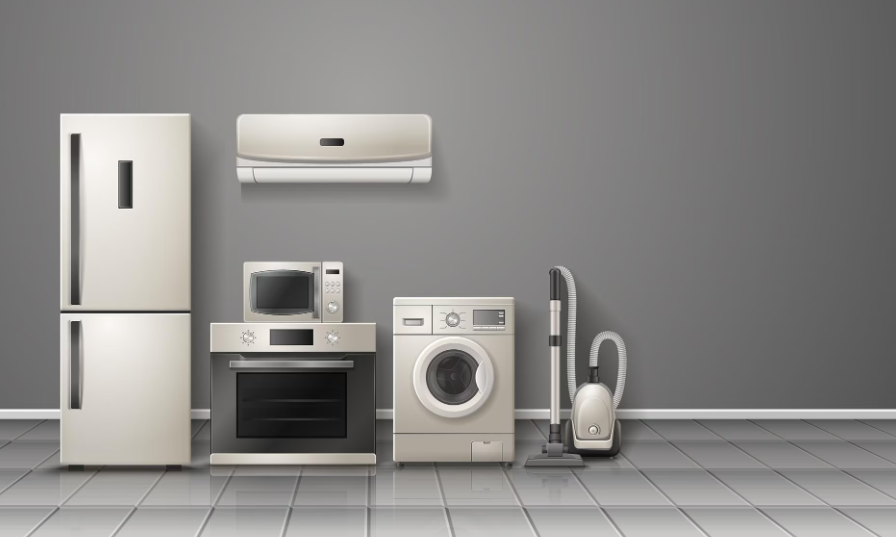
Electric home appliances are part of daily life. They help with cooking, cleaning, cooling, washing and storing food. The right appliances can make everyday routines easier.
However, buying appliances is not simply about choosing the newest model or the lowest price. Every home has different needs. When selecting electric home appliances, it is important to consider energy efficiency, practical features, safety standards, and long-term reliability to ensure each purchase meets your household’s needs. Size, energy use, features, safety, maintenance and reliability all deserve attention before making a purchase. Knowing what to look for can make shopping easier.
Think About Your Daily Needs
The first step is to consider how an appliance will actually be used. A household that cooks every day may need a cooker, oven, microwave and refrigerator, while someone who rarely cooks may have different priorities.
The same applies to laundry and cleaning. A large washing machine may be useful for a busy family, while a smaller model could be enough for a smaller household.
Think about which tasks take the most time. The best appliance usually solves a real problem.
Consider Energy Efficiency
Energy use is an important part of choosing electric appliances. An appliance may have a reasonable purchase price but cost more to operate if it uses a lot of electricity. Energy labels can help shoppers compare efficiency and estimated consumption between similar products.
Also consider how often the appliance will run. A refrigerator operates for long periods, while a blender may only be used for a few minutes. More efficient models can have a greater effect on energy use when they are used frequently.
Look at energy information rather than relying only on claims such as “energy saving”. Comparing consumption gives you a clearer idea of running costs.
Choose the Correct Size
Size matters for both performance and convenience. Before buying a large appliance, measure the space where it will be installed. Consider door openings, ventilation, cabinets and the route used to bring the appliance into the home.
Capacity is equally important. A refrigerator that is too small may become crowded, while one that is unnecessarily large can take up valuable space. A washing machine should also match the amount of laundry normally produced.
Choosing the correct size can prevent wasted space and ensure that the appliance suits your routine.
Check the Features
Modern appliances often include many functions. Some offer automatic programmes, sensors, timers or different operating modes.
These features can be useful, but more functions do not automatically mean better value.
A washing machine with several programmes may help with different fabrics. A cooker with multiple heat settings can provide more control. Smart functions are convenient but should not be the main reason for a purchase.
Focus on practical features that make everyday tasks easier.
Think About Safety
Electrical appliances should always be used safely. Before purchasing a model, check its electrical requirements and make sure your home’s supply is suitable.
Avoid unsuitable adapters, overloaded sockets and damaged power cords. Follow the manufacturer’s instructions and use a qualified professional when necessary.
Safety features such as automatic shut-off, child locks and overheating protection can provide useful protection.
A reliable appliance should work well and be suitable for safe everyday use.
Consider Noise Levels
Noise may not seem important when viewing an appliance in a shop, but it can become noticeable once the machine is running at home.
This is particularly relevant for refrigerators, washing machines, dishwashers, fans and air conditioners. A quieter model may be more comfortable near living areas.
Check the manufacturer’s specifications and customer feedback where possible.
Maintenance Should Be Simple
Every electric appliance needs some level of care. Regular cleaning, checking filters, removing build-up and following maintenance instructions can help keep equipment working properly.
Consider how easy the appliance is to clean and maintain. Removable parts and accessible filters can simplify regular care.
Keeping an appliance clean can support good performance and may help prevent avoidable problems.
Compare Warranty and Service
A warranty can provide protection if an appliance develops a manufacturing problem. Check how long it lasts and what it covers.
It is also worth checking whether replacement parts and servicing are available. A low-priced appliance may not provide good value if repairs are difficult or expensive.
Keep your receipt and warranty information in a safe place.
Set a Sensible Budget
Price is naturally important, but the cheapest appliance is not always the most economical choice. Think about the total cost of owning the appliance, including electricity, maintenance, accessories and possible repairs.
Avoid paying extra for features that you will not use. A simple appliance can be better value for your household needs.
Setting a budget before shopping can also prevent impulse purchases.
Think About Placement
Where an appliance sits can affect how convenient and safe it is to use. Make sure there is enough space around it and that doors, drawers or lids can open fully.
Some appliances need ventilation, drainage or special connections. Check these requirements before installation.
Good placement can also make cleaning easier.
Choose Appliances That Fit Your Lifestyle
Electric home appliances should support the way you live. If you cook often, prioritise useful kitchen equipment. If laundry takes up a large part of your week, invest in a washing machine that matches your load and routine. If keeping the home cool is important, consider an efficient cooling appliance suited to the room.
There is no single set of appliances that every household needs. The right combination depends on your needs.
Careful choices can help you avoid appliances that are too large, complicated or expensive to operate.
Making a Better Purchase
Buying electric home appliances is a long-term decision, so it is worth looking beyond appearance and purchase price. Consider energy consumption, capacity, features, safety, noise, maintenance, warranty and installation before choosing a model.
A useful appliance does not need to be packed with technology. It needs to perform its main job reliably.
By understanding your needs and comparing important details, you can choose appliances that make household tasks easier without unnecessary costs. Choose practical equipment that works well and uses energy sensibly.
Please visit us:https://freelymagazine.uk
