


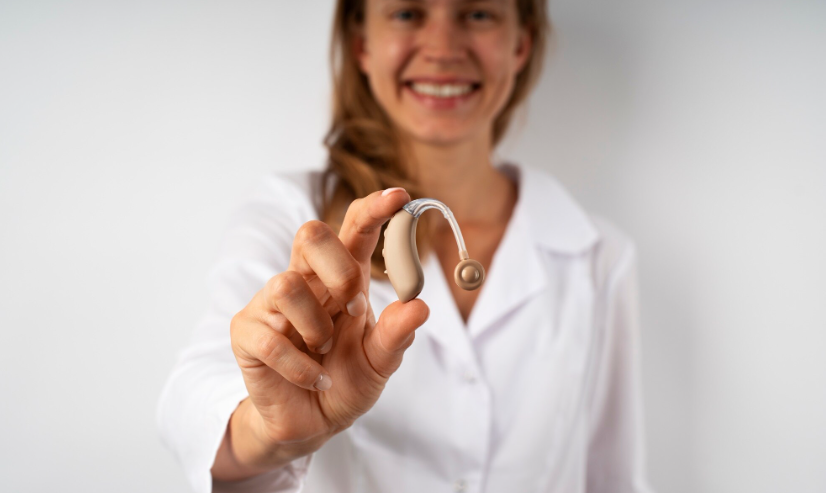
When looking into hearing aids, one of the first things people want to know is how much they cost. There is no single price because hearing aids come in different designs, technology levels and features. Understanding hearing aids cost can help individuals compare different models, evaluate their budgets, and choose devices that meet their hearing needs and preferences. The total amount can also depend on whether you need one hearing aid or two and whether professional services are included.
Some hearing aids are designed to provide basic sound support, while others include features such as noise reduction, rechargeable batteries and wireless connectivity. Because of these differences, prices can vary widely.
Understanding what affects hearing aids cost can help you make a more informed choice. Instead of simply looking for the cheapest option, it is worth considering what you actually need from the device and what is included in the total price.
Why Hearing Aids Have Different Prices
One of the main reasons hearing aids have different prices is the technology used inside them. Basic models are generally designed to make sounds louder and clearer without offering many advanced functions.
More advanced hearing aids can process sounds in different ways depending on the listening environment. They may be able to reduce background noise, focus more closely on speech or connect wirelessly to compatible devices.
The design of the hearing aid can also affect the price. Different styles require different components and may be suitable for different types of hearing needs.
Professional services can also form part of the cost. Some prices include hearing assessments, fitting, programming and follow-up appointments, while other providers may charge for these services separately.
Basic Hearing Aids
Basic hearing aids can be a suitable choice for people who mainly need help hearing conversations in quiet or familiar surroundings.
They usually have fewer advanced features than more expensive models, but that does not mean they are ineffective. If your everyday listening needs are relatively simple, a basic device may provide enough support.
Choosing a basic model can also help keep the overall cost lower. However, it is important to make sure that the device is appropriate for your hearing needs rather than choosing it based only on price.
Mid-Range Hearing Aids
Mid-range hearing aids usually provide a balance between price and features. They may offer better sound processing and more adjustment options than basic models.
These devices can be useful for people who spend time in different environments. You may need to hear conversations at home, in shops, at work or when meeting several people.
Some mid-range models also offer wireless connectivity and rechargeable batteries. These features can make everyday use easier without necessarily moving into the highest price range.
Premium Hearing Aids
Premium hearing aids generally include more advanced technology. Depending on the model, they may offer improved noise reduction, automatic adjustments, directional microphones, wireless streaming and rechargeable batteries.
These features can be useful for people who regularly spend time in busy or changing environments.
However, paying more does not automatically mean you will have a better experience. If you mainly use your hearing aids in quiet surroundings, some premium features may not provide enough extra value to justify the additional cost.
The best choice should be based on your hearing needs and lifestyle rather than the price category alone.
The Type of Hearing Aid
Hearing aids are available in several styles. Some are worn behind the ear, while others fit inside the outer ear or ear canal.
Behind-the-ear models can be suitable for a wide range of hearing needs. They can also provide enough space for larger components and controls.
In-the-ear designs sit within the ear and may offer a more discreet appearance. Smaller models can be appealing to people who want their hearing aids to be less noticeable.
However, the smallest option is not always the best option. A discreet design may have limitations depending on the level of hearing support required.
Comfort, hearing needs, ease of handling and lifestyle should all be considered when choosing a design.
What Is Included in the Price?
When comparing hearing aids cost, it is important to find out what the quoted price actually covers.
Some providers offer packages that include the hearing assessment, fitting, programming and follow-up appointments. Others may charge additional fees for some of these services.
A package may also include a warranty, cleaning service or future adjustments. These extras can add value to the purchase.
Always ask for a clear breakdown of the total cost before making a decision. A cheaper hearing aid may not be cheaper overall if important services are charged separately.
Rechargeable Hearing Aids
Rechargeable hearing aids have become a popular option because of their convenience. Instead of replacing batteries regularly, you place the hearing aids in a charging unit when they are not being used.
This can be especially useful for people who wear their hearing aids throughout the day.
When considering rechargeable models, look at how long the battery lasts and how long it takes to recharge. It is also worth checking what happens if the battery eventually needs replacing.
Maintenance and Long-Term Costs
The initial price is only one part of hearing aids cost. Maintenance and repairs can also add to the overall expense.
Hearing aids may need cleaning, servicing or replacement parts during their useful life. Earwax, moisture and everyday handling can affect performance, so regular care is important.
Ask whether routine servicing is included in the purchase price. You should also check the warranty and find out what happens if the hearing aid needs repair.
Understanding these costs before buying can help you avoid unexpected expenses later.
Finding Better Value
Finding good value does not always mean choosing the cheapest hearing aid available. A low-cost model may not provide the features or level of support you need.
At the same time, there is no reason to pay for advanced features that you are unlikely to use.
Start by having your hearing properly assessed. Once you understand your hearing needs, you can discuss suitable options and compare their features.
Ask about the full cost, including fitting, follow-up appointments, warranty coverage and repairs. If a trial period is available, ask about the terms before agreeing to the purchase.
Making the Right Choice
Hearing aids cost different amounts for good reasons, but the highest price does not automatically make a device the right choice.
The best hearing aid should match your hearing needs, lifestyle, comfort preferences and budget. Basic models may be enough for some people, while others may benefit from more advanced sound processing and wireless features.
When comparing options, look beyond the initial price. Consider the technology, fitting service, follow-up support, warranty and possible maintenance costs.
Taking the time to understand these factors can make the buying process easier. A suitable hearing aid should provide useful support without unnecessary features or expenses, helping you hear everyday sounds and conversations more comfortably.
Please visit us: Freelymagazine
