


Electric bikes can serve very different purposes. One person may use one to get to work, while another may want it for weekend rides on private trails. Once teenagers enter the picture, the decision involves even more than choosing a motor and battery.
A good starting point is understanding the difference between an e-bike classification and the type of riding a particular bike is built for. If you’ve been searching for what is a class 3 ebike, the answer helps explain one category of pedal-assisted bicycles. But that classification should not be confused with an off-road electric bike designed for younger riders.
Class 3 Definition in Simple Terms
In the United States, a Class 3 e-bike is generally a bicycle equipped with pedal assistance that can provide motor assistance up to 28 mph. The rider pedals while the electric motor provides assistance. That makes Class 3 models useful for people who want more speed during commuting or longer road rides. However, the classification does not mean that every Class 3 e-bike can be used in every location.
State and local regulations can determine where these bikes are allowed. Certain paths, trails, and bicycle facilities may have different rules for Class 3 models. Riders should therefore check the regulations that apply to their specific area instead of relying only on the class label.
A Class Is Not a Description of Every Component
It is easy to assume that the Class 3 label tells you everything about an e-bike. It doesn’t. Two Class 3 models can have noticeably different frames, tires, brakes, riding positions, suspension systems, battery capacities, and overall weights. This is why the classification should be treated as one piece of information rather than the entire buying guide.
For example, someone planning a daily commute might care about comfortable geometry, reliable lights, practical storage, and predictable handling. Someone riding on rough surfaces may place more importance on tire design, suspension, ground clearance, and braking control. The same class can therefore cover bikes intended for quite different riders.
Why Off-Road Riding Requires a Different Mindset
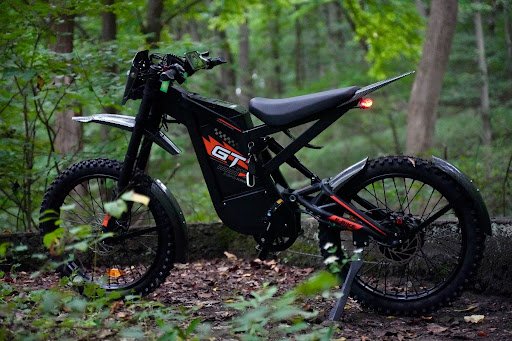
An electric dirt bike for teens is designed around a different riding environment. Dirt trails can include loose gravel, roots, bumps, mud, slopes, and changing traction. Riders may need to shift their body position, manage their speed carefully, and react quickly when the surface changes. A road-focused e-bike isn’t automatically suitable for these conditions simply because it has an electric motor.
Off-road bikes are generally designed with features that support riding away from smooth pavement. Depending on the model, these can include knobby tires, suspension, a reinforced frame, and controls designed for recreational trail riding. The terrain should always determine how much capability is actually needed.
Teen Riders Should Learn Control Before Speed
For a younger rider, learning how the bike responds is more important than reaching its highest possible speed. Acceleration can feel surprisingly strong on an electric bike, particularly to someone who has only ridden a regular bicycle. A teenager should have enough time to become familiar with starting, stopping, turning, and controlling the bike at a comfortable pace.
Practicing in a suitable open area can help. The rider can gradually learn how much pressure to apply to the brakes, how quickly the bike accelerates, and how its weight affects turning. Once those basic movements become familiar, the rider can begin developing more advanced skills appropriate to the terrain.
Fit Has a Bigger Impact Than Many People Expect
When choosing a bike for a teenager, physical fit deserves careful attention. The rider should be able to reach the controls comfortably and maintain a stable position. Being able to put a foot down when necessary can also be useful while learning.
Weight is another factor. A bike that is difficult for a teenager to move or control when stationary may become frustrating, particularly if the rider needs to handle it without motor assistance. Rather than choosing a model simply because it has impressive specifications, parents can compare the rider’s height and experience with the manufacturer’s recommendations.
Tires Tell You a Lot About Intended Use
One quick way to understand an electric bike’s design is to look at its tires. Smooth or lightly treaded tires are generally more comfortable on paved surfaces, while deeper tread can provide better grip on suitable dirt and loose terrain. Tire width also affects the way a bike feels.
However, larger or more aggressive tires do not eliminate the challenges of off-road riding. Tire pressure, weather, surface conditions, and rider technique continue to influence traction. For young riders, understanding these differences can also become part of learning how to ride responsibly.
Battery Planning Changes Off the Pavement
Range estimates should be treated as guidelines rather than guarantees. Off-road riding can use more energy than steady riding on flat pavement because the motor may work harder over hills, loose surfaces, and uneven ground. Repeated acceleration can also increase battery consumption.
Before a trail session, it is worth considering the planned distance, terrain, temperature, rider weight, and availability of a charging point. A teenager should also understand that battery planning is part of responsible riding. Running out of power far from the starting point can turn an enjoyable trip into a difficult situation.
Safety Should Be Built Into the Routine
Protective equipment is particularly important when riding on uneven terrain. A properly fitted helmet should be considered essential, while gloves, suitable footwear, and additional protective gear may provide further protection for off-road riding.
Parents can also establish simple riding rules before a teenager starts riding independently on an electric dirt bike for teens. These might include staying within approved areas, avoiding unfamiliar trails, keeping a safe speed, checking the bike before each ride, and never carrying a passenger unless the bike is specifically designed for it. Supervision should match the rider’s experience and the difficulty of the environment.
Research the Rules Before the First Ride
Electric bicycles and electric dirt bikes can fall under different legal categories depending on the location. A model intended for private off-road riding may not be permitted on public streets or bicycle paths. Age restrictions can also apply to certain types of electric vehicles.
Checking local requirements before purchasing or riding helps prevent a mismatch between the bike and its intended use. When researching brands such as OUXI, I would also look beyond the marketing description and read the specifications, intended-use information, safety guidance, and maintenance requirements carefully.
Conclusion
Understanding e-bike classifications is useful, but it is only the beginning of choosing the right electric ride. A Class 3 e-bike generally refers to a pedal-assisted bicycle capable of motor assistance up to 28 mph in the United States, while an electric dirt bike is designed around a different style of riding. For teens, the decision should focus on physical fit, riding experience, terrain, control, protective equipment, battery planning, and local rules. Speed may be an interesting specification, but confidence and responsible handling matter far more when someone is still developing their riding skills.
FAQs
- Does a Class 3 e-bike always have a throttle?
No. Class 3 classification is generally associated with pedal assistance and assisted speeds up to 28 mph. Throttle availability depends on the specific bike and applicable regulations. - Can an electric dirt bike be used on a normal bike path?
Not necessarily. An electric dirt bike may be treated differently from an electric bicycle under local regulations. Riders should check the rules for the specific path and vehicle. - What should a teen learn before riding off-road?
Basic acceleration, braking, turning, balance, and speed control are useful skills to develop before attempting more difficult terrain. - Do wider tires automatically make an electric bike safer?
No. Wider tires can affect stability and traction, but safety also depends on speed, tire pressure, terrain, braking, rider skill, and overall bike setup. - How should parents choose an electric bike for a teen?
Start with the rider’s age, physical size, experience, intended terrain, and local requirements. Then compare suitable bikes based on controllability, weight, braking, tires, and other relevant features.
See more amazing information. Visit: Freely Magazine
