


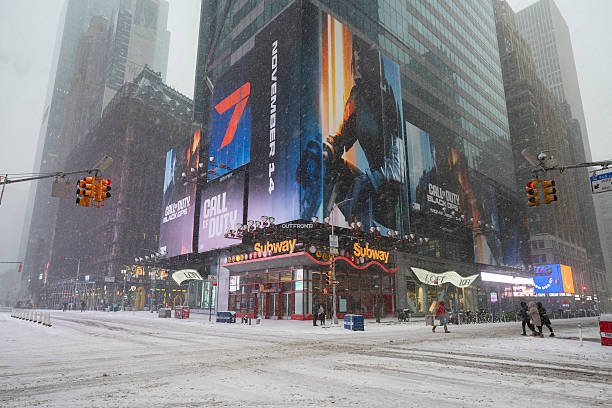
Picture a massive billboard towering over a highway in the middle of a blizzard. Snow whips sideways, the wind howls, and ice coats every surface in sight. It’s natural to wonder whether that giant structure is about to topple, or at least whether anyone can see your ad through the whiteout.
The reassuring answer is that billboards are built for this. They’re engineered to handle serious weather, and winter storms rarely take them down. If you’re planning a cold-weather campaign with a billboard advertising agency, here’s what actually happens when the snow starts falling and how to set your campaign up for success.
How Are Billboards Built To Handle Weather?
Billboards are engineered structures, typically made of steel, anchored with deep foundations, and designed to meet local building codes. Engineers account for the forces a sign will face based on its location, size, and height.
One of the major concerns in designing these structures is the risk of failure under wind loads, which is why so much attention is paid to how a board resists strong gusts.
Is Wind or Snow the Bigger Threat?
Wind usually poses the greater risk. A billboard face acts a bit like a sail, catching air across a large surface. Research on these structures indicates that high winds regularly damage large billboard structures, particularly during hurricanes and severe storms.
Snow still matters, especially up north. Many northern U.S. jurisdictions adopt ground snow loads of 50 pounds per square foot or more under engineering standards, and that requirement shapes how signage structures and their connections are designed.
What About Ice and Freezing Rain?
Ice can be trickier than snow. Freezing rain adds weight to a structure and changes how wind moves around it, so engineers factor it in alongside other loads.
Well-built boards are designed to handle that added stress. Trouble is more likely with older structures, poorly maintained signs, or extreme weather that goes well beyond the area’s typical conditions.
Do Vinyl Billboards Hold Up in Winter?
Generally, yes. Vinyl faces are durable and built to withstand outdoor conditions year-round. Because they hang vertically, snow tends to slide off rather than pile up.
Strong gusts remain the main risk for vinyl. A face that wasn’t installed tightly can loosen or tear during a powerful storm. Reputable operators inspect and maintain their boards so any damage gets addressed quickly.
Can Digital Billboards Handle the Cold?
Digital billboards are built with weatherproof cabinets and sealed electronics, along with systems that help regulate internal temperature. That design keeps them running through cold snaps and winter storms.
Winter can even work in their favor. Bright screens stand out against gray skies and early darkness, and digital formats let advertisers update creative quickly when conditions change.
Does Snow Affect Visibility?
During a heavy storm, visibility drops for everything on the road, including billboards. Fewer people drive, and those who do are focused on getting home safely.
Those conditions are usually short-lived, though. Once plows clear the roads, traffic returns to normal and your message is back in front of commuters. Illuminated boards also help maintain visibility during gloomy afternoons and long winter nights.
Who Handles Damage and Repairs?
Billboard operators are responsible for maintaining their structures. They monitor boards, inspect them after major storms, and repair or replace damaged faces. If your ad is canceled due to weather, many operators offer make-goods. That typically means extending your flight or providing compensation for the time your message wasn’t visible.
What Should You Ask Before Booking a Winter Campaign?
A few quick questions can save you headaches later. Ask how often the operator inspects its boards during winter and how fast it typically responds to storm damage. Find out exactly what the weather policy covers, since terms vary from company to company.
Location matters, too. Boards in exposed spots, like open highways or hilltops, take more of a beating than those in sheltered urban areas. If you’re torn between formats, ask whether a digital option is available nearby, since it removes the risk of a torn vinyl face entirely.
Choosing the right advertising strategy can make a significant difference to a business’s success. Companies should carefully plan their marketing campaigns and explore effective ways to support marketing campaigns and business growth.
Is Winter a Good Time To Advertise in Snowy Markets?
People still commute, run errands, and travel during winter, so billboards continue to reach audiences all season long. Snowy markets can even give you an edge.
Cold weather creates timely hooks for products like coffee, car services, home heating, and holiday gifts. With smart placement and seasonal creative, a winter campaign can feel especially relevant to people braving the elements every day.
Built To Weather the Season
Billboards are engineered to withstand serious winter weather, from heavy snow and ice to powerful winds. Wind remains the biggest structural concern, but well-designed and well-maintained boards handle storms reliably.
There’s no reason to put outdoor advertising on hold just because winter is coming. Choose experienced operators, ask the right questions before you book, and lean into seasonal messaging. Your board will still be standing tall long after the snow melts.
