


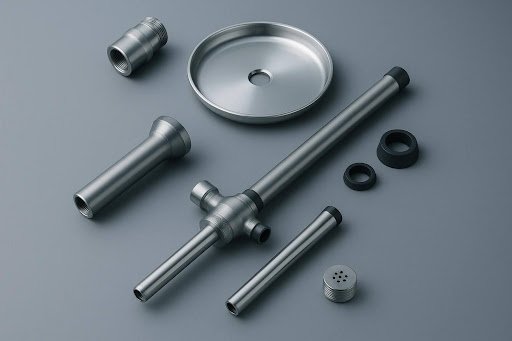
To understand a hookah, look beyond its decorated outside. A hookah is a connected air system that uses heat, airflow, and sealed chambers to produce a smooth draw. It is more than a decorative pipe. Each part, from the clay bowl at the top to the submerged downstem in the water base, affects draw resistance, cloud thickness, heat, and cleanliness.
Whether you are building your first hookah or adjusting a custom setup, it helps to know how every part works with the others. Buying quality hookah parts and learning the purpose of each valve, seal, and chamber can help you find air leaks, avoid harsh sessions, and keep your hookah working longer. This guide explains each part and its role in the smoking session.
What Is a Hookah and How Does It Work?
A hookah is a smoking device that uses water to cool smoke from heated tobacco or herbal mixtures. It works through the lower air pressure created when a person inhales through the hose. This suction pulls air over the hot coals, heats the tobacco, and draws the resulting vapor down through the water before it reaches the hose and the user’s lungs.
Hookahs first appeared in ancient Persia and India and later became popular across the Middle East. Modern models have developed from simple pipes made with coconut shells and reed stems into carefully machined devices. Their appearance and materials have changed over the centuries, but the basic process remains the same: heat the mixture to release its flavor, then pass the smoke through water to cool it.
The Path of Smoke Through a Hookah
The smoke starts in the bowl. When a person inhales through the hose, air moves around the hot coals placed on foil, a screen, or a heat-management device. The hot air warms the shisha below and releases vapor from the glycerin, molasses, and flavorings without directly burning all of the tobacco.
The vapor then moves down the central shaft and into the downstem, which sits below the water level in the base. Suction pulls the vapor through the water and breaks it into bubbles. The water cools the vapor as the bubbles rise. After they reach the surface, the cooled vapor collects in the open space inside the vase. It then moves through the hose port, along the hose, and out of the mouthpiece.
What Water Filtration Does and Does Not Remove
Many people believe that water removes all harmful substances from hookah smoke. In practice, water mainly works as a cooler. It lowers the temperature of the vapor and makes the inhale feel smoother. It can also catch heavier ash, small pieces of debris, and some water-soluble substances.
Water does not remove the main toxic substances from smoke. Tests show that carbon monoxide, heavy metals, polycyclic aromatic hydrocarbons (PAHs), and fine particles can still remain in the aerosol. Water may remove some nicotine and water-soluble flavor compounds, but it does not turn tobacco smoke into harmless steam. Good ventilation and moderate use are still needed.
How Traditional and Modern Hookahs Differ
Traditional hookahs, including Egyptian, Syrian, and Turkish models, are often made by hand from brass, copper, or low-carbon steel. Many have detailed engraved designs. They usually use a push-in base with rubber seals and narrow downstems. This creates a more restricted draw and the familiar bubbling sound associated with traditional pipes.
Modern hookahs use more modular designs and factory-made parts. Common materials include food-grade 304 or 316 stainless steel, anodized aluminum, and polyacetal (POM). These models often have wide stems, built-in diffusers, and threaded or magnetic base connections. They provide a more open draw, several purge options, and simple disassembly for cleaning. Some parts can also be washed in a dishwasher.
What Are the Main Hookah Components?
A working hookah can be divided into three main sections: the top section that holds and heats the shisha, the middle stem, and the lower water base. Every part helps keep the air path sealed, so the user’s suction is used to heat and move the vapor instead of pulling in outside air.
A single damaged part can affect the whole system. A cracked silicone seal can create a leak, while a stuck purge ball can stop the pressure from being released properly. Worn parts like these can usually be swapped out on their own, and replacement seals, grommets, and purge valves are available at Shisha Boutique. The sections below explain the main parts found on both traditional and modern hookahs.
The Bowl and Bowl Grommet
The bowl, also called the head, holds the shisha tobacco and supports the heat source. It sits at the top of the hookah. Its material and shape control how heat moves through the tobacco. This affects whether the session has a full flavor or becomes harsh and burnt too soon.
The bowl grommet sits below the bowl. It is a tapered seal made from silicone or rubber. This small piece creates a tight connection between the bowl and the metal adapter. If it does not seal properly, room air can enter the top of the stem. The extra air weakens the vapor and reduces cloud production.
The Head Adapter and Stem Grommet
The head adapter is a metal cone that sits at the top of the hookah stem. It may attach with threads or with a friction fit. The adapter holds the bowl and its grommet and may also support the charcoal tray. On some advanced hookahs, it can be removed so a molasses catcher can be added.
A stem grommet creates a tight connection between joined parts and helps reduce movement. It may look similar to a bowl grommet. Modular stems often use small O-rings and extra seals to stop moisture and air from escaping through the joints in the shaft.
The Tray and Charcoal Management Area
The charcoal tray, also called an ashtray, sits below the head adapter. Its main purpose is to catch ash, used coals, and loose embers. This helps protect the table and nearby surfaces. Some trays are shallow brass plates, while others are deep stainless steel bowls with wide edges for holding extra coals and tongs.
The tray can also help control heat. Experienced users may place a hot coal on the tray for a short time before putting it back on the bowl. The metal cools the coal slightly. Users can also tap the coal on the tray to remove the grey ash that covers it and reduces its heat.
The Shaft, Stem, and Downstem
The shaft or stem is the upright center of the hookah. As vapor moves through it, the metal absorbs some heat and helps lower the vapor temperature before it reaches the water. The inside walls can also collect some moisture and heavier residue.
The downstem extends below the central hub and ends inside the water base. Its length and inner width affect how hard the hookah is to pull. A wide downstem gives a light, open draw, while a narrow one creates more resistance and feels closer to the pull of a traditional hookah.
The Base and Base Grommet
The base supports the whole hookah. It is usually made from blown glass, acrylic, or heavy metal. It holds the water needed to cover the downstem and provides the open space where cooled smoke gathers before it moves into the hose.
Classic hookahs use a thick, ridged base grommet made from soft rubber or silicone to seal the stem inside the vase. Modern models may use threaded locks or ball-based click systems instead. These connections are built into the metal and glass collar, so a separate grommet may not be needed.
The Hose Port and Hose Connector
The hose port is an opening in the main hub, usually placed above the waterline. It sends smoke from the open space in the base into the hose. Hookahs made for several people may have two or more hose ports arranged around the hub.
The hose connector fits into this opening and joins the hookah to the flexible silicone or leather hose. It must create a tight seal. This may come from a rubber grommet, a ground metal joint, or magnetic rings.
The Purge Valve and Release Valve
A purge valve, also called a release valve, lets old smoke leave the base. It contains a small plastic, glass, or stainless-steel ball that rests over an outlet. When the user inhales, the lower pressure pulls the ball into place and stops outside air from entering.
When the user gently blows into the hose, the higher pressure lifts the ball. Stale, sharp, or overheated smoke can then leave the vase through the valve. This clears the base without forcing water up the downstem and into the bowl.
The Diffuser and Downstem Diffuser
A diffuser is a cap with small holes that fits on the submerged end of the downstem. It breaks one large stream of air into many smaller bubbles. This gives the smoke more contact with the cool water and improves cooling.
A diffuser also makes the draw quieter and smoother. An open downstem creates large bubbles, strong shaking, and loud bubbling. Smaller bubbles create less movement and noise, giving the user a calmer draw through the hose.
The Glass Vase and Water Chamber
The glass vase is often the most visible part of a hookah. It gives the pipe weight and helps stop it from falling over. Its clear walls let the user check the water level and see the amount of smoke inside. Bohemian crystal, soda-lime glass, and thick borosilicate glass are common choices because they are clear, do not react easily with cleaning products, and hold little leftover flavor.
The amount of water and the amount of open space in the base need to work together. Too much water can reach the purge valve or travel up the hose. Too little water may leave the downstem uncovered, allowing hot, uncooled air to enter without bubbling through the water.
What Are the Different Types of Hookah Bowls?
The bowl is the part that heats the shisha. Its material controls how quickly it absorbs heat, how long it holds heat, and how evenly it spreads heat across the tobacco. A poor bowl choice can burn delicate shisha in a few minutes. A suitable bowl can provide steady flavor for a much longer session.
The bowl’s shape also changes the path of the air. Traditional bowls with several holes work differently from Phunnel bowls with a raised center. These differences affect cloud thickness, session length, and how much molasses stays in the bowl.
Clay Hookah Bowls for Heat Retention
Clay is a popular material for hookah bowls. High-fire clay, stoneware, and dark red clay have good heat capacity and some natural porosity. They take in heat from the coals gradually and spread it across the bowl instead of creating a few very hot areas.
This steady heat cooks the shisha from the sides and bottom as well as from the top. Clay bowls can break if dropped and should cool fully before they are washed. With careful handling, they provide steady temperatures and clear flavor.
Ceramic Hookah Bowls for Everyday Sessions
Ceramic bowls are usually made from refined clay covered with a smooth glaze. The glaze creates a surface that does not absorb much liquid and is easy to rinse. These bowls are common in starter hookah kits because they are affordable, attractive, and simple to clean.
Glazed ceramic usually moves heat more quickly and less evenly than dense clay. If too many coals are used, some areas can become very hot and create a burnt taste. Turning the coals and adjusting the heat can help. Ceramic bowls are still a practical choice for regular sessions.
Silicone Hookah Bowls for Durability
Silicone bowls are made from heat-resistant food-grade silicone and are very hard to break. They can usually survive being dropped on a hard floor. This makes them useful for travel, outdoor use, and busy lounges where accidents are more likely.
Silicone does not move heat well. Its outside stays fairly cool, and it often fits the head adapter without a separate bowl grommet. However, it depends mainly on heat moving down from the coals. The lower tobacco may not cook as well as it would in a clay bowl. Silicone can also absorb flavor oils after months of heavy use.
Glass Hookah Bowls for Visibility and Flavor
Glass bowls are often made from borosilicate glass that can handle changes in temperature. They provide a clean-looking session and are easy to inspect. Since glass does not have pores and does not react with most flavorings, it adds little or no leftover taste from earlier sessions.
The clear material lets users see the tobacco pack and watch heat move through it. Glass heats quickly and also loses heat quickly, so coal placement needs close attention. Glass can break if it is washed with cold water while still hot.
Metal Hookah Bowls and Their Heat Characteristics
Metal bowls are made from aluminum alloys or machined stainless steel. They are very strong and respond to heat quickly. Some are made as one piece with a matching heat-management device. Metal spreads heat across the bowl fast and can bring the tobacco to smoking temperature in a short time.
High heat movement also makes metal bowls less forgiving. Too many coals can burn the shisha very quickly and create a sharp or slightly metallic taste. Metal bowls stay hot after the coals are removed, so they should be handled carefully with tongs or heat-resistant tools.
Phunnel and Egyptian-Style Bowls
The shape of the bowl has a clear effect on how it works. An Egyptian-style bowl is a rounded cup with four or five holes in the bottom. Air moves down through the tobacco. As the shisha heats, liquid molasses and glycerin can run through these holes and into the stem. This can dirty the water and cause the flavor to fade sooner.
A Phunnel bowl uses one raised center opening instead of holes across the bottom. The shisha sits around the raised section. Since the bottom is closed, the molasses and glycerin stay in the bowl and continue to heat. This keeps the stem cleaner and can provide longer sessions with strong flavor, especially with wet modern tobacco.
How Bowl Depth and Capacity Affect a Session
The size of the bowl affects how long the tobacco lasts. Small bowls that hold about 10 to 15 grams are suitable for short solo sessions of around 45 to 60 minutes. The thin tobacco layer heats all the way through, so there is less unused shisha left after the session.
Deep bowls that hold 25 to 35 grams or more are better for long group sessions. Four or more people can share a large bowl for two hours or longer. The lower tobacco heats more slowly, leaving a reserve of flavor that continues to work as the coals are replaced.
How To Choose a Bowl for Flavor, Clouds, and Session Length
Choose a bowl based on the type of shisha, the number of people smoking, and the length of the session. Wet blonde-leaf tobacco works well in a small or medium clay Phunnel bowl. This type of bowl keeps the molasses in place and reduces the amount that reaches the stem. Its raised center also supports good airflow and thick clouds.
Dryer dark-leaf tobacco is often packed more tightly and may work well in a multi-hole clay bowl. The direct downward airflow can bring out its deeper tobacco flavor. Use a shallow bowl for a quick solo session and a deeper, thick-walled clay bowl for a long group session.
What Are the Different Hookah Hose and Base Components?
The base and hose form the main connection between the hookah and the person using it. The base affects how hard the draw feels, while the hose affects airflow, flavor, and comfort. Problems with either part can make the session tiring or weaken the flavor.
Materials used for these parts have improved over time. Newer non-porous materials have replaced many older designs that broke down after repeated contact with water and held bacteria or old flavors inside.
Washable and Non-Washable Hookah Hoses
Traditional hookah hoses were often made from leather, cardboard ribs, and a steel wire coil. They should not be washed. Water can cause the inner wire to rust and weaken the hose. Rust particles may then come loose, and the leather can hold old flavors that are hard to remove.
Most modern hoses can be washed. They are commonly made from medical-grade platinum-cured silicone or food-safe vinyl. They have no inner wire, so they can be rinsed with warm water and a suitable cleaning solution. Silicone hoses are flexible, do not absorb much flavor, and help each new shisha blend taste clean.
Single-Hose and Dual-Hose Hookah Setups
Single-hose hookahs are a common choice for people who want strong performance. One sealed hose creates a direct air path. The user’s suction moves air through the bowl and water without extra ports that could leak. Clearing old smoke from the base is also simple.
Dual-hose and multi-hose hookahs are convenient for groups because several people can smoke without passing one handle. They use check balls in the hose ports to block unused openings. If a ball becomes stuck because of syrup or poor alignment, air may leak. A user may need to cover the mouthpiece with a finger while someone else takes a draw.
Hose Handles, Hose Ports, and Hose Grommets
A hose assembly has three main parts. The handle is the rigid piece held by the user. It may be made from anodized aluminum, carbon fiber, wood, or glass. A well-shaped handle feels balanced and comfortable. Some handles have textured grips or small cooling chambers that can hold freezable gel inserts.
The hose connector is at the other end of the hose and fits into the hub’s hose port. A rubber or silicone hose grommet presses the parts together and helps stop air loss. Some precision-made hookahs use 14.4 mm or 18.8 mm ground-glass joints or magnetic connections instead of friction grommets.
Glass, Acrylic, and Stainless Steel Hookah Bases
Base materials affect weight, appearance, and strength. Glass and crystal bases are popular because their weight helps support tall hookahs. Their smooth surfaces are easy to inspect, do not hold much odor, and let users see the water and smoke inside.
Acrylic bases are hard to break, which makes them useful for travel and outdoor use. They can scratch when cleaned with stiff brushes and may hold some flavor over time. Stainless steel and copper bases are very strong and have an industrial appearance. They do not show the water level, so the amount of water must be measured before the hookah is assembled.
How Base Size and Water Level Affect Draw Resistance
The size of the base changes how the hookah feels. A large vase has more open space and needs more air movement before it fills with smoke. This can create a short delay before thick clouds appear. A small base can produce clouds quickly but offers less room for cooling.
The water level is the main control for draw resistance. The downstem should usually sit about 1/2 inch to 1 inch, or 1.5 to 2.5 cm, below the surface. A deeper stem creates more water pressure, so the user has to pull harder. If the stem is not covered enough, the air path is not sealed and hot air can enter without bubbling.
How a Diffuser Changes Sound and Airflow
A diffuser changes both the sound and the feel of the draw. With an open downstem, air moves through the water in large bubbles. These bubbles strike the glass, shake the hookah, and create a loud low sound that can interrupt a conversation.
A diffuser breaks the air into many small bubbles. This reduces movement and noise. It also makes it easier for the air to pass through the surface of the water, giving the user a lighter and smoother draw.
How Do Hookah Tobacco and Charcoal Work With Each Component?
A hookah works together with its tobacco and charcoal. The tobacco’s moisture, cut, and ingredients interact with the bowl and heat source. The coal’s heat must match the moisture and type of shisha. A good balance produces full clouds and flavor, while too much heat creates a harsh taste.
Knowing how the tobacco and charcoal behave can help you choose the right hardware. The size of the tobacco pieces, the amount of glycerin, and the size and density of the charcoal all affect how the bowl should be packed and heated.
What Is Shisha Tobacco?
Shisha tobacco, often called mu’assel, is not dry tobacco that burns like a cigarette. It is a wet mixture of cured tobacco leaves, vegetable glycerin, molasses or honey, and natural or artificial flavorings. Glycerin creates much of the visible cloud. When heated, it changes into a thick vapor that looks like smoke.
The tobacco leaves give the mixture structure and provide nicotine and deeper tobacco flavors. Shisha is often placed into two broad groups. Blonde leaf uses washed leaves and usually has less nicotine with sweeter flavors. Dark leaf uses unwashed Burley leaves and generally has more nicotine and a stronger tobacco taste.
Moisture, Cut, and Flavor Strength in Shisha Tobacco
The cut and moisture level affect how the tobacco takes in heat. Coarsely cut shisha with large pieces and stems needs a loose, open pack and steady heat. Finely cut tobacco can be packed more closely because the small pieces leave fewer large gaps.
Very wet tobacco needs more heat at the start because the extra liquid must warm before the leaf can release vapor. Dryer traditional tobacco can burn quickly if the heat rises too fast. Strong flavors such as double apple, mint, and citrus can stay in porous materials. Separate hoses and bowls may be useful if you want to avoid mixing flavors.
Quick-Light and Natural Coconut Charcoal
Charcoal provides the outside heat for the hookah. Quick-light coals are pressed discs that contain chemicals such as sulfur or potassium nitrate. They light with a normal lighter, but they burn quickly, create a large amount of loose ash, and can add a sharp chemical smell to the session. They also release a high level of carbon monoxide.
Natural coconut charcoal is made from crushed coconut shells held together with natural starch. It contains no chemical lighting agents and must be heated on an electric burner until it glows orange. Coconut coals burn cleaner, hotter, and longer than quick-light discs. Many last about 60 to 90 minutes. They also have little smell or taste, so the shisha flavor is easier to notice.
How Charcoal Size and Heat Output Affect the Bowl
Natural coconut coals come in several shapes and sizes. Common choices include standard 25 mm cubes, larger 26 mm or 28 mm cubes, flat pieces, and small cubettes for round heat-management devices. Large cubes contain more fuel and give off more heat. They work well with deep clay bowls and strong dark-leaf tobacco.
Large cubes on a small, shallow bowl can place too much heat on a small area and burn the top layer. Matching the coal size and number to the bowl’s surface and material helps maintain steady heat without burning the shisha.
Charcoal Screens, Heat-Management Devices, and Foil
The part between the coals and the tobacco controls how heat reaches the bowl. Heavy aluminum foil with small holes allows both direct and moving air to heat the shisha. It also allows ash and combustion gases to fall through the holes and reach the tobacco.
Heat-management devices, often made from cast aluminum or stainless steel, replace the foil. They hold the coals in a metal chamber and direct air through vents instead of letting ash fall directly onto the shisha. Many have adjustable lids, which let the user change airflow and heat. They also reduce the need to move the coals and help protect the bowl from wind.
How Bowl Packing and Heat Control Prevent Harsh Smoke
Harsh smoke usually comes from too much heat touching the tobacco. The way the bowl is packed affects how air moves through it. A loose pack places the leaves lightly in the bowl, leaving space for hot air to move around them.
A dense pack presses the leaves together and slows the release of moisture. This can work well with dark tobacco that can handle longer heating. With either style, leave a gap of about 1 to 2 millimeters between the tobacco and the foil or heat-management device. If wet tobacco touches the hot metal, it can stick and burn, producing sharp smoke and acrolein gas.
How Nicotine-Free Herbal Shisha Differs From Tobacco
Herbal shisha gives people a way to produce clouds without tobacco or nicotine. Instead of tobacco leaves, it may use sugar cane fiber, cellulose, dried fruit pulp, or tea leaves. These plant materials are mixed with glycerin, honey, and flavorings in a way that is similar to regular shisha.
Herbal mixtures can react differently to heat. Without tobacco’s natural resins and leaf structure, they may need a lot of heat to begin producing vapor but can also dry out fast and burn easily. Careful heat control, a Phunnel bowl, and a heat-management device usually work well. This setup helps keep the syrup from draining out too soon.
Which Hookah Accessories Improve Setup and Maintenance?
Many extra tools can make hookah preparation easier, improve safety, and support good cleaning. The right accessories can make a session easier to repeat and reduce common problems.
These tools help with several parts of the routine. They protect surfaces from hot coals, remove old flavors, support tight seals, and give guests a cleaner way to share a hose.
Charcoal Tongs and Ash Trays
Charcoal tongs are safety tools made from stainless steel, brass, or aluminum. Good tongs have long handles that keep the heat away from the hands. Their ridged ends hold glowing coals in place, and some include a small poker for making foil holes or clearing a blocked diffuser.
A wide, strong ash tray works well with the tongs. It gives users a safe place to move coals and remove ash. Dropping a hot coal on carpet or furniture can cause immediate damage. Tongs with a firm grip lower the chance of this happening while heat is being adjusted.
Hookah Brushes for the Vase, Stem, and Hose
Cleaning brushes help control odors and bacteria. A long stem brush reaches through the downstem and removes sticky tobacco syrup, soot, and mineral deposits. Without regular cleaning, condensed residue can develop an old taste that affects later sessions.
A base brush usually has a wide, fan-shaped end or a flexible neck that follows the curved bottom of the vase. It removes the slippery film and cloudy deposits that build up in standing water. Small brushes can clean narrow hose connectors, valve seats, and purge openings.
Replacement Grommets, Seals, and O-Rings
Small rubber and silicone seals are responsible for keeping the hookah airtight. Heat, cleaning products, and repeated pressure can cause these parts to harden, crack, or lose their shape. Keeping spare bowl grommets, base seals, hose seals, and small O-rings is a simple way to deal with wear.
Ribbed silicone seals usually work better than stiff black rubber seals. Silicone handles heat well, bends to fit different glass sizes, and does not usually create a strong chemical smell when warmed.
Wind Covers and Heat-Management Devices
A wind cover is a tall metal cover with holes that fits over the bowl and coals. Outside, it protects the coals from wind, which can make them burn faster and overheat the tobacco. Inside, a wind cover can hold more heat around a coal that is losing strength late in the session.
Heat-management devices are a newer form of heat cover. They hold the coals in an aluminum chamber and use vents to control heat. They remove the need for foil, keep ash away from the tobacco, and allow small heat changes by turning the lid.
Mouth Tips for Shared Sessions
Sharing a hookah is a long-standing social activity, but passing one mouthpiece between several people can spread germs. Saliva, moisture, and other mouth bacteria quickly collect on the handle. Single-use or washable plastic and silicone mouth tips provide a simple hygiene measure for groups and lounges.
Mouth tips come in two common shapes. A male tip fits inside the opening of the hose handle, while a female tip fits over the outside edge. Giving each person a separate tip helps reduce the spread of germs and gives every guest a clean mouthpiece.
Diffusers, Adapters, and Hose Plugs
Adapters can add new functions to a hookah. A slip-on silicone diffuser can fit over an unthreaded downstem and make a loud traditional pipe quieter and smoother. These diffusers are flexible, heat-resistant, and easy to wash.
Hose plugs and adapters can add more hose ports to a single-port hookah or close unused ports on a multi-port model. Closing extra ports can improve the draw during a solo session. Some purge-to-hose valves add check balls to open connectors, making group use easier while keeping the air path sealed.
Carrying Cases and Storage Accessories
Hookahs contain breakable glass bases, machined metal tubes, and clay bowls. Moving them without protection can cause damage. Padded bags and hard cases often use shaped foam sections to keep each piece separate. This stops a heavy stem from hitting the glass base during travel.
At home, wall mounts, stem stands, and bowl holders can keep parts organized and off the floor. Hanging a silicone hose upright lets water drain fully. This helps reduce mildew and unpleasant odors.
How Should You Choose, Assemble, and Maintain Hookah Components?
A good hookah session comes from choosing compatible parts, putting them together correctly, and cleaning them regularly. Even high-quality equipment can perform poorly if it has a loose connection or a hidden air leak.
A simple assembly routine makes the result more consistent. Treat the hookah as one connected air system. Check the seals, use the right amount of water, and clean the parts often to protect the equipment and the people using it.
Match the Bowl, Tobacco, and Charcoal to Your Session Goals
Start by matching the tobacco and heat source to the bowl. For a quick solo session of about 45 minutes, use a small Phunnel bowl with wet blonde-leaf tobacco. Put two standard 25 mm coconut cubes into an aluminum heat-management device. This setup reaches a steady heat fairly quickly and can produce thick clouds with little leftover tobacco.
For a social session lasting about two hours, choose a thick clay bowl that holds at least 25 grams. Pack a strong dark-leaf blend more closely, cover it with heavy foil or use a steel screen, and use larger 26 mm cubes. The larger coals can provide steady heat as they are moved or replaced.
Check Component Compatibility Before Buying
Hookah parts may use standard sizes, metric measurements, or brand-specific connections. Check the design of your hookah before buying replacement or upgraded parts. Some bases use a slip-fit neck and rubber grommet, while others use a threaded collar or a click-lock connection.
Check the downstem and bowl connection as well. If you want to add a screw-on diffuser, the downstem must have the right thread. The cone on the head adapter must fit the bowl’s inside taper. Hose ports are often 14 mm to 18 mm, but some specialty hookahs use fittings made for one brand or model.
Assemble the Hookah With Airtight Connections
Build the hookah from the bottom up. Start by attaching the downstem to the central hub. Check that any valve balls are clean, dry, and able to move. Put the base grommet on the hub, then place the stem into the glass vase with a gentle twisting movement. Stop when the stem is fully seated and straight.
Add the charcoal tray and tighten the head adapter. Place the hose connector and grommet into the hose port until they sit firmly. Put the bowl grommet on the top adapter, then place the packed bowl on it with a gentle downward twist. Check that the whole hookah stands straight. A leaning stem can make the coal-filled bowl more likely to fall.
Set the Correct Water Level in the Base
Add room-temperature or slightly cool water to the vase before putting the stem in place. The downstem should usually sit 1/2 inch to 1 inch, or 1.5 to 2.5 cm, below the water surface. If the downstem has a diffuser with slots, cover all of the slots and about another half-inch of the solid stem above them.
Do not fill the base too high. Too much water leaves less open space and can cause liquid to splash into the hose port during strong bubbling. It can also soak the hose and make the hookah hard to draw. Too little water may expose the end of the stem when the hookah is tilted, allowing hot air to pass without bubbling.
Test Airflow Before Adding Tobacco and Charcoal
Test the seal before placing hot coals on the bowl. Assemble the hookah with the empty or covered bowl in place. Put your hand over the top of the bowl and seal the air holes. Then gently inhale through the hose.
A properly sealed hookah should feel almost impossible to draw. The water should not bubble, and your hand should feel pulled against the bowl. If you can draw air or hear bubbling, there is a leak. Check the purge ball, hose grommet, and base seal before lighting the coals.
Clean the Bowl, Stem, Base, and Hose After Use
Cleaning after every session helps the equipment last longer. Let the bowl cool to room temperature before washing it. Putting a hot clay or glass bowl into cold water can cause thermal shock and break it. Wash the bowl with warm water and a soft pad to remove burnt syrup.
Remove the downstem and rinse it with hot water. Push a stiff brush through its inner tube to remove sticky residue. Empty the base as soon as the session ends. Dirty water left overnight can support mold growth and mineral buildup. Wash the vase with warm water, mild dish soap, or diluted vinegar and coarse salt. Use a base brush to clean the inside, then hang the silicone hose upright so it can dry.
Replace Cracked Glass, Worn Grommets, and Damaged Hoses
Check the hookah regularly for damage. Hold the glass vase under a bright light and look for thin cracks, especially around the neck and rim. A cracked vase can fail when it is holding the weight of the stem and bowl. This may spill water and send hot coals onto the surrounding surface.
Look at the silicone grommets for tears, hard spots, or areas that have been pressed flat. Replace them when the connection feels loose. Run your fingers along the hose to find small holes or stiff sections. If you use a traditional hose that cannot be washed, replace it when you see rust, smell mildew, or cannot remove an old flavor.
Use Charcoal in a Ventilated Area and Avoid Burns
Charcoal safety needs serious attention. Do not light or use hookah in a closed room without fresh air. Burning charcoal releases carbon monoxide, which cannot be seen or smelled, along with fine particles. Light natural coconut coals under an exhaust hood, near an open window, or outside on a flat surface that cannot burn. Use an electric coil burner made for charcoal.
Place a certified carbon monoxide detector in the room where the hookah is used. Carry glowing coals with deep metal tongs or a charcoal carrier, and keep the ash tray beneath the work area. Never leave burning coals alone. Keep the hookah away from pets and places where people may walk into it.
Common Hookah Component Mistakes and Their Fixes
Even experienced users can have setup problems. If the smoke tastes burnt within the first few minutes, the bowl is receiving too much heat. Remove one coal, clear the old smoke from the base, and check that the shisha is not touching the foil or heat-management device. If the draw feels heavy, the downstem may be too far below the water. Pour out some water until the stem is about 3/4 inch deep.
If the clouds are thin and the flavor is weak, check for an air leak. A missing purge ball or loose hose grommet can let cool room air into the system. If water reaches your mouth, the base may be overfilled or the purge may have been too forceful. Lower the water to the correct level and hang the hose so it can drain.
The base of a hookah works through water pressure, while the bowl works as a heat and airflow chamber. As you inhale, air moves past the charcoal and carries heat into the tobacco. If the air moves too quickly through a narrow downstem, the heat transfer can rise sharply. The top layer of shisha may then become hotter than the point where glycerin should turn into vapor, causing it to break down and produce a harsh taste.
Room conditions also affect the session. In a cold or dry place, exposed metal stems and aluminum heat-management devices lose heat faster. You may need another coal or a wind cover to keep the temperature steady. In a warm, humid place, more moisture may collect inside the stem, so the water base has to handle more of the cooling work. Paying attention to the equipment, the air, the room, and the water level can help you move past basic fixes and produce a more consistent session.
Please visit us: Freely Magazine
