


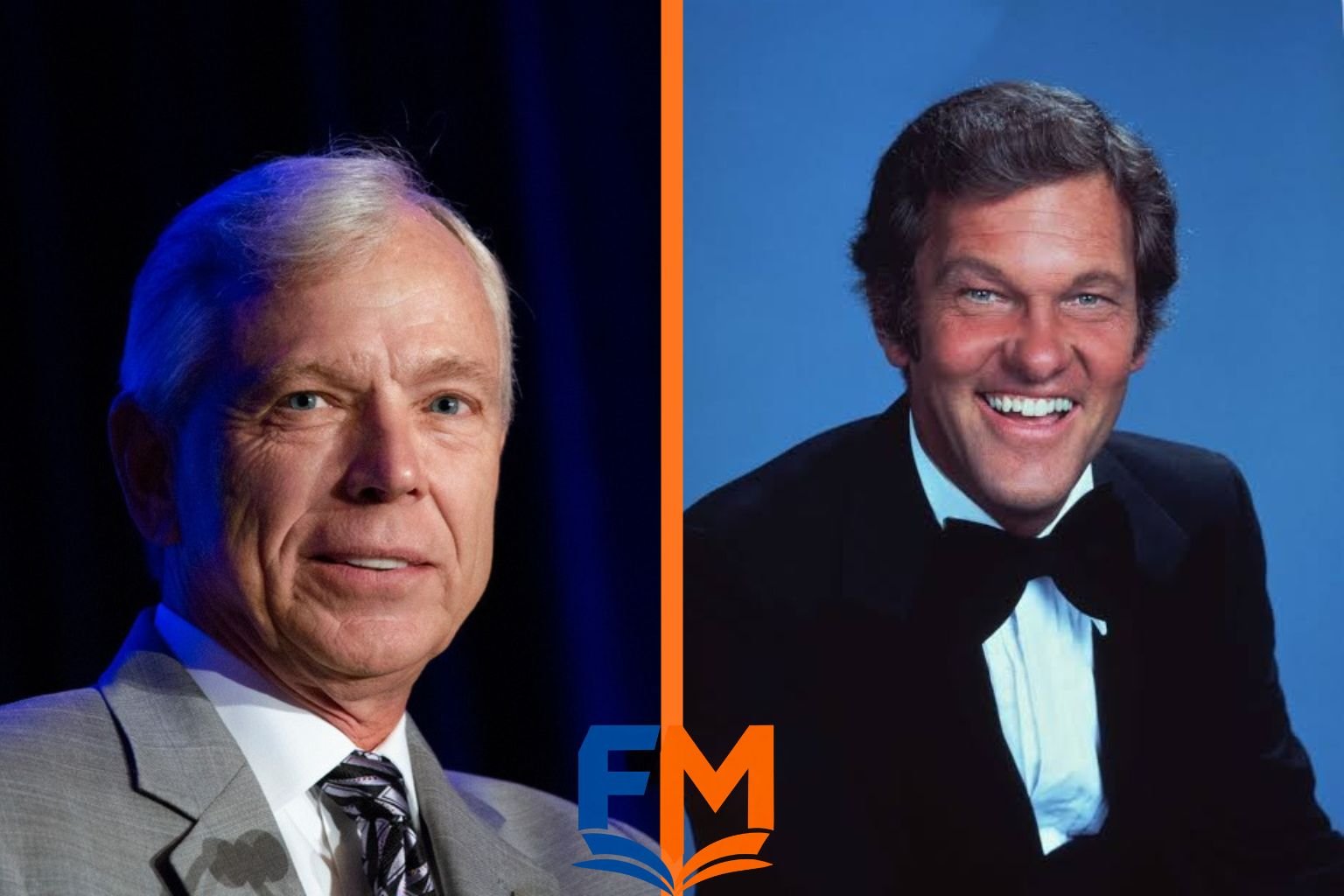
One engineer helped connect millions of phones. The other helped build the radar and defense systems that governments rely on. Lowell McAdam and Tom Kennedy are two separate executives who led two very different American giants, Verizon and Raytheon. This guide compares their education, military service, major decisions, pay, and leadership lessons, and it separates fact from the myths that often surround this pairing.
Who Are Lowell McAdam and Tom Kennedy?
Lowell McAdam in Brief
McAdam is the former chairman and CEO of Verizon Communications. He stepped down as CEO on August 1, 2018, when Hans Vestberg took over.
Tom Kennedy in Brief
Thomas A. Kennedy is the former chairman and CEO of Raytheon Company. He later served as executive chairman of Raytheon Technologies.
Why People Search for Them Together
Both are engineers who served in the US military and then rose to the top of a large company. Their CEO tenures also overlapped from 2014 to 2018. There is no documented partnership between them.
Lowell McAdam vs. Tom Kennedy: Quick Comparison
| Detail | Lowell McAdam | Tom Kennedy |
| Industry | Telecommunications | Aerospace and defense |
| Main company | Verizon Communications | Raytheon Company |
| CEO start | August 1, 2011 | March 31, 2014 |
| CEO end | August 1, 2018 | April 2020 (merger) |
| Education | Cornell (engineering), MBA from University of San Diego | Rutgers (BS), AFIT (MS), UCLA (PhD) |
| Military | US Navy Civil Engineer Corps, six years | US Air Force, captain |
| Successor | Hans Vestberg | Gregory Hayes (Raytheon Technologies) |
| Signature move | $130 billion Vodafone stake purchase | Raytheon–United Technologies merger |
Lowell McAdam: Background and Career
Early Life and Education
McAdam studied engineering at Cornell and later earned an MBA from the University of San Diego. He became a licensed professional engineer in 1979.
Navy Civil Engineer Corps and the Seabees
He spent six years in the Navy’s Civil Engineer Corps. That is hands-on construction and project experience, which is unusual for a future telecom CEO.
Early Telecom Career
He worked at Pacific Bell, joined AirTouch Communications in 1993, and then led PrimeCo Personal Communications. He joined Verizon Wireless at its formation in 2000.
Rise at Verizon
In 2010, Verizon named him president and COO of the parent company, positioning him to succeed CEO Ivan Seidenberg. He had been president and CEO of Verizon Wireless from 2007 to 2010. He became Verizon CEO on August 1, 2011, and chairman on January 1, 2012.
The $130 Billion Vodafone Stake Purchase
This was his defining deal. Verizon agreed on September 2, 2013 to buy Vodafone’s 45 percent stake in Verizon Wireless for $130 billion. The price was $58.9 billion in cash and $60.2 billion in Verizon stock, plus other consideration tied to the deal. It closed on February 21, 2014, with about 1.27 billion Verizon shares issued to Vodafone’s shareholders. Dealogic data at the time ranked it as the largest acquisition of a US target on record.
Network Investment, Fiber, and 5G Preparation
Verizon’s 2018 succession announcement credited his tenure with more than $120 billion in capital investment since 2011. That spending covered 4G LTE, fiber, and spectrum.
Digital Media Bets
He pursued AOL, Yahoo, and XO Communications. In May 2021, after his tenure, Verizon announced the sale of Verizon Media to Apollo funds for about $5 billion. That sale shows why the media strategy deserves a separate assessment from the network business.
Leaving Verizon
McAdam became executive chairman to help Vestberg with the transition, then moved to non-executive chairman. Vestberg became chairman effective March 8, 2019, and McAdam stayed on the board until the May 2, 2019 annual meeting.
Lowell McAdam After Verizon
The sources I checked show his Verizon board service ending in 2019. I found no verified later corporate role, so check recent filings before publishing any claim about his current activities.
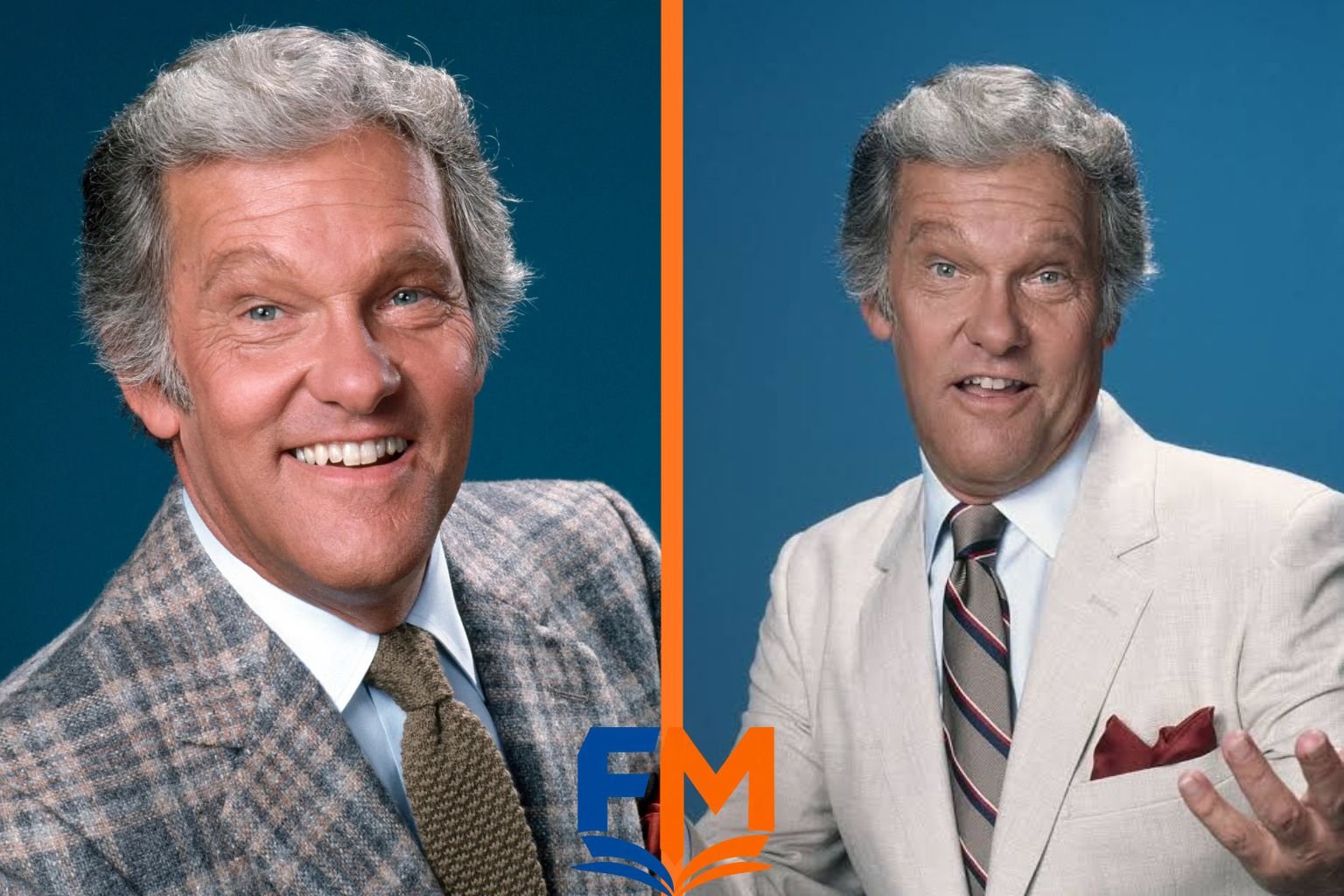
Tom Kennedy: Background and Career
Early Life and Education
Kennedy earned a bachelor’s in electrical engineering from Rutgers, a master’s from the Air Force Institute of Technology, and a PhD in engineering from UCLA.
Air Force Service
He served as an Air Force captain. His work included satellite launch vehicle avionics programs.
Joining Raytheon
He joined Raytheon in 1983 and spent more than 38 years with the company. He started in radar engineering.
Climb Through Management
He led Tactical Airborne Systems and then Integrated Defense Systems. He became executive vice president and COO in April 2013. In that role he helped consolidate six businesses into four.
Becoming CEO and Chairman
Raytheon announced in January 2014 that Kennedy, then 58, would become CEO effective March 31, 2014. He added the chairman role afterward. Sources differ on the exact date, so confirm it in Raytheon’s filings.
Forcepoint and Cybersecurity
Forcepoint relaunched in January 2016 as a cybersecurity joint venture, with Raytheon holding 80 percent and Vista Equity Partners 20 percent.
The Raytheon–UTC Merger
In April 2020, Raytheon merged with United Technologies. Gregory Hayes became CEO of Raytheon Technologies, and Kennedy became executive chairman.
Retirement
Kennedy retired as executive chairman in June 2021.
Tom Kennedy After Raytheon
Textron elected him to its board effective January 1, 2023, and he serves on the Audit and Organization and Compensation Committees. His Rutgers scholarship with his wife, the Thomas A. and Elaine M. Kennedy Endowed Scholarship, favors women studying electrical engineering and cybersecurity.
Education Compared
| McAdam | Kennedy | |
| Bachelor’s | Cornell, engineering | Rutgers, electrical engineering |
| Graduate | MBA, University of San Diego | MS (AFIT), PhD (UCLA) |
| Fit for industry | Business plus network operations | Deep technical expertise in defense electronics |
McAdam’s MBA suited a capital-heavy, consumer-facing business. Kennedy’s doctorate suited long, technically complex defense programs.
Military Service Compared
What Each Did in Uniform
McAdam did Navy civil engineering. Kennedy worked on Air Force satellite avionics.
Possible Influence on Leadership
Military service may have shaped habits such as accountability and mission focus. That is interpretation, not proven cause.
Is There a Connection?
Did They Work Together?
No. They never shared an employer, and no business partnership is documented.
Are They Related?
No public record shows a family relationship.
Five Real Similarities
- Engineering training
- Military service
- Decades-long climbs inside one industry
- Leadership of a major public company
- Large strategic shifts (ownership change versus merger)
Where Their Careers Overlapped
Both were CEOs from March 2014 to August 2018.
Key Differences in Leadership and Industry
| Factor | McAdam (Verizon) | Kennedy (Raytheon) |
| Customers | Consumers and businesses | Governments and militaries |
| Revenue | Subscriptions | Multi-year contracts |
| Key regulators | FCC and spectrum rules | Defense procurement and export controls |
McAdam grew Verizon through large capital bets. Kennedy emphasized operating discipline and consolidation. Telecom product cycles run in months or years, while defense programs can last decades.
Career Timeline
| Year | McAdam | Kennedy |
| 1983 | Pacific Bell career begins (approx.) | Joins Raytheon |
| 2000 | Joins Verizon Wireless | n/a |
| 2011 | Verizon CEO | n/a |
| 2013 | Agrees Vodafone deal | Raytheon COO |
| 2014 | Vodafone deal closes | Raytheon CEO |
| 2018 | Steps down as CEO | n/a |
| 2019 | Leaves board in May | n/a |
| 2020 | n/a | Executive chairman, post-merger |
| 2021 | n/a | Retires in June |
| 2023 | n/a | Joins Textron board |
Verizon vs. Raytheon: Scale
Company Size
Textron’s filing describes Raytheon Company as generating about $29 billion in net sales with roughly 70,000 employees. Raytheon’s 2017 revenue guidance was $24.8–25.3 billion.
Investment vs. Contracts
Verizon’s story is capital spending, including $120 billion-plus. Raytheon’s story is backlog and long-term contract delivery.
Net Worth and Compensation
What Filings Show
The Boston Globe reported Kennedy’s 2015 compensation at $20.4 million, a nearly 50 percent jump from 2014. McAdam’s reported 2018 total was roughly $18.6 million, per secondary sources, so verify it in Verizon’s proxy. As a Textron director, Kennedy’s reported compensation was $317,500, according to a summary of the company’s proxy.
Why Net Worth Estimates Vary
No reliable total exists for either man. Most executive pay is stock that rises and falls with share price. Treat any specific figure as an estimate.
How to Read a Proxy Statement
Search SEC EDGAR for the company’s DEF 14A filing and read the Summary Compensation Table.
Philanthropy, Boards, and Education
McAdam served as a Cornell trustee, worked with the National Academy Foundation, and chaired the wireless trade group CTIA in 2008. Kennedy has backed his Rutgers scholarship, Student Veterans of America, and MATHCOUNTS.
7 Leadership Lessons
- Build expertise before authority. Both spent years in technical roles first.
- Pair technical skill with business judgment. McAdam added an MBA; Kennedy moved through operating roles.
- Know your customer and regulator. Consumers and the FCC differ sharply from governments and export rules.
- Make big decisions with clear trade-offs. The Vodafone deal bought control at a very large price.
- Simplify before you scale. Kennedy cut six businesses to four.
- Prepare for change years ahead. Both led through ownership or merger shifts.
- Credit the team. Companies this size succeed through thousands of people.
Common Misunderstandings
- Same company? No: Verizon and Raytheon.
- Personal relationship? None documented.
- Current CEOs? Neither is. Always read titles with dates.
- Same industry? No: telecom versus defense.
- One person’s results? Boards and employees share the credit.
Sources and Verification
Primary sources include Verizon and Raytheon press releases, Textron’s 8-K and proxy filings, and SEC EDGAR. Details were last reviewed in November 2026.
Conclusion
Lowell McAdam and Tom Kennedy show that engineering skill, service experience, and years of steady work can lead to the top of very different industries. McAdam reshaped Verizon’s ownership; Kennedy streamlined Raytheon and guided its merger. Read their records through documented decisions, not myths.
More Celebrity Biography Profiles: Patricia Poppe and Winston Churchill: Are They Connected? Leadership Compared
Frequently Asked Questions
Did they work together?
No. They worked at separate companies.
Are they related?
No public record says so.
What did McAdam lead?
Verizon, as CEO from 2011 to 2018.
What is Kennedy known for?
Leading Raytheon from 2014 to 2020 and through the UTC merger.
Did both serve in the military?
Yes: McAdam in the Navy, Kennedy in the Air Force.
Are they still CEOs?
No.
Who replaced them?
Hans Vestberg replaced McAdam, and Gregory Hayes led the combined Raytheon Technologies.
What can professionals learn?
Depth, business judgment, and preparation for change.

1 Comment
Pingback: Doria Palmieri: Biography, Marriage to Ron Reagan, Family, and Death - FreelyMagazine